
Introduction: Precision Manufacturing Showdown
The world of manufacturing has grown significantly in recent years, leading to a wide range of techniques to create intricate designs. Among these, CNC milling and CNC Swiss machining stand out as popular methods. But what sets them apart? CNC milling vs Swiss machining, this article will explain their differences to help you choose the right process for your needs.
The Rise of CNC Machining
Computer Numerical Control (CNC) machining has transformed how we produce parts and components. It allows precision, repeatability, and automation in manufacturing. As industries evolve, so do their demands for more specialized machining techniques, creating a need to understand each method more clearly.
Choosing the Right Process: Milling vs Swiss Machining
When selecting a machining process, the type of part you need, your budget, and production volume are critical. Both CNC milling and Swiss machining offer unique advantages depending on the project requirements.
Preview of Key Differences
- CNC Milling is best for block parts with complex shapes.
- CNC Swiss Machining excels at producing cylindrical, small, precise components with tight tolerances.
Understanding CNC Milling
The Milling Process Explained
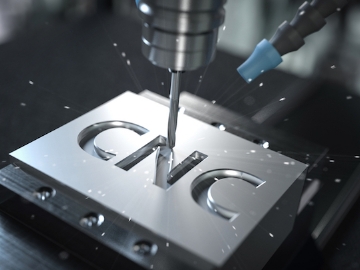
CNC milling involves the use of rotating cutting tools to remove material from a workpiece. The tool moves in various directions to create the desired shape. This process is highly versatile and can handle a wide range of materials.
Capabilities and Applications of CNC Milling
- Can create complex geometries
- Suitable for metals, plastics, and composites
- Common applications include:
- Aerospace components
- Automotive parts
- Custom tooling
Limitations of CNC Milling
While CNC milling is versatile, it has its limits:
- Not ideal for very small parts
- Slower compared to some other methods
- Potential waste of material during the machining process
Deep Dive into CNC Swiss Machining
The Swiss Machining Process Explained
CNC Swiss machining uses a sliding headstock to hold the workpiece and a stationary tool to create parts. This setup allows for high-precision cuts, making it particularly suitable for small components.
Advantages of CNC Swiss Machining: Precision and Efficiency
- High accuracy with tight tolerances (+/- 0.008mm)
- Fast production speeds for small parts
- Minimal waste, making it cost-effective
- Capable of multi-tasking, combining different machining processes in one setup

Applications Where Swiss Machining Excels
Swiss machining is widely used in industries where precision is critical, including:
- Medical devices
- Electronics
- Watchmaking
- Fluid system components
Comparing Machining Processes: Head-to-Head
Material Capabilities: CNC Milling vs Swiss Machining
CNC Milling:
- Handles a variety of materials but struggles with very thin or small components.
CNC Swiss Machining:
- Perfect for small-diameter parts and can work with various materials, including hard metals.
Production Volume and Cost Analysis
CNC Milling:
- Generally available for small batch production runs.
- Higher initial setup cost.
CNC Swiss Machining:
- Lower setup costs and faster turnaround for high volume batches.
- More economical for precision parts.
Tolerances and Surface Finish: A Detailed Comparison
CNC Milling:
- Good surface finish, but tolerance can vary depending on complexity.
CNC Swiss Machining:
- Superior finish and tighter tolerances, making it the choice for intricate small parts.
Selecting the Optimal Machining Method
Factors to Consider When Choosing a Process
- Part size and complexity
- Material type
- Product shape
- Budget constraints
Case Study: Real-World Application Examples
- An aerospace company may choose CNC milling for larger components, while a medical device manufacturer might opt for Swiss machining for precise, small parts.
- Wisense machined fluid system components valve core, most of them were processed by Swiss machining, while the coupling body part needs CNC milling process.
- When machine the bike tyre blow hole part, Swiss machining service is the perfect choice, while the milling is a good choice for bike hub machining.

Expert Insights on Process Selection
Choosing the right process often comes down to specific project requirements. Consulting with machining experts can provide valuable insights tailored to your needs.
Conclusion: Making the Right Choice for Your Project
Key Takeaways: Milling vs Swiss Machining
- CNC milling is best for larger, complex parts, while Swiss machining excels in precision and small components.
- Consider factors like part size, part shape, material, and budget when choosing a process.
Actionable Tips for Choosing the Best Machining Method
- Assess your project requirements.
- Consult with experts when uncertain.
- Evaluate costs versus benefits.
Future Trends in CNC Machining
As technology continues to advance, expect improvements in machine capabilities, materials, and efficiency. Staying informed about these trends can provide a competitive edge in the manufacturing industry.
