
Stainless steel is a fundamental material across multiple industries, with around 70% of the world’s stainless steel being used in construction and machinery. CNC machining plays a crucial role in shaping and fabricating this versatile metal. How to CNC machine stainless steel? This guide outlines key steps and considerations to ensure successful CNC machining of stainless steel, from choosing the right material to troubleshooting common issues.
Choosing the Right Stainless Steel Grade for CNC Machining
Understanding Stainless Steel Grades
Stainless steel comes in various grades, each offering unique properties. Here are a few common grades and their machinability:
| Grade | Corrosion Resistance | Strength | Machinability | Common Applications |
| 304 | Good | Moderate | Fair | Food processing |
| 316 | Excellent | High | Good | Marine environments |
| 410 | Moderate | High | Poor | Cutlery |
| 420 | Fair | High | Moderate | Surgical instruments |
Selecting the Optimal Grade for Your Project
Choosing the appropriate grade depends on the project’s requirements. For food and beverage applications, grade 304 is often preferred. In harsher environments, such as marine settings, grade 316 is ideal due to its superior corrosion resistance. Always assess application needs before selecting a grade.
Sourcing Your Material
Select reputable suppliers for your stainless steel. Look for those who provide material certification to ensure quality and compliance with industry standards.
How to CNC Machine Stainless Steel: Setting Up Your CNC Machine
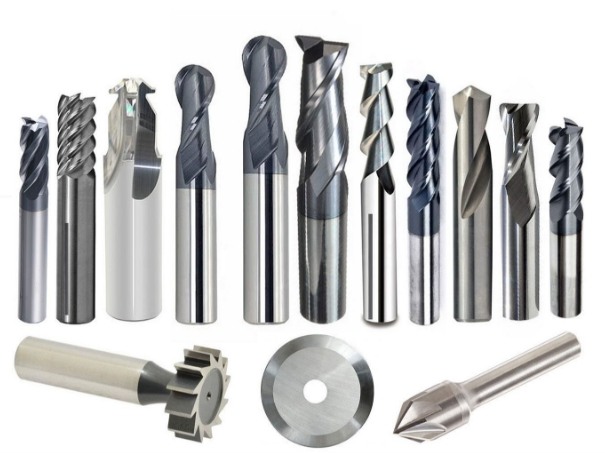
CNC Machine Performance
-Ordinary CNC machine tools may have a speed of around 500-2000 revolutions per minute due to limitations in power and rigidity.
-High performance machining centers can achieve higher speeds, such as 3000-10000 revolutions per minute or even higher.
Workholding Techniques
Securing the workpiece is vital to prevent vibration and movement. Common methods include:
- Vices: Offer strong grip but may introduce distortion.
- Clamping: Effective for larger parts but requires precision setups.
- Vacuum fixtures: Suitable for flat workpieces, providing a clean approach.
Spindle Speed and Feed Rate Optimization
Optimal cutting parameters vary by grade. Here are general guidelines:
- For grade 304, use a spindle speed of 800-2500 RPM and a feed rate of 0.005-0.015 inches per tooth.
- For grade 316, decrease the speed to 600-2000 RPM, with feeds of 0.004-0.012 inches per tooth.
Refer to industry standards for precise values and adjust based on machine capability.
How to CNC Machine Stainless Steel: CNC Machining Process
Programming and CAM Software
CNC programming is essential for precision. Popular CAM software includes SolidWorks, Mastercam, and Fusion 360. These platforms help generate toolpaths tailored to specific machining operations.
Dry Machining vs. Wet Machining
Dry machining involves no cutting fluid, reducing environmental impact but can lead to increased tool wear. Wet machining uses lubricant, helping to cool the tool and remove chips, resulting in better surface finishes.
Cutting Fluid Selection and Application
Selecting the right cutting fluid affects tool life and surface quality. Consider fluids with good cooling properties and low viscosity, such as synthetic or water-soluble coolants. This choice can significantly reduce heat and improve finishes.
Turning & Milling
Turning and milling are the two most common methods of CNC stainless steel machining. Turning is the way in which the spindle moves and the object being turned maintains horizontal motion. Milling is a machining method in which both the spindle and the object being milled can move.


How to CNC Machine Stainless Steel: Post-Machining Processes and Finishing
Deburring and Surface Finishing
Deburring is crucial to eliminate sharp edges and improve safety. Techniques include:
- Manual deburring: Simple but labor-intensive.
- Automated deburring: Faster and more consistent results.
Surface finishing methods, like polishing and brushing, can enhance the appearance and smoothness of the workpiece.
Inspection and Quality Control
To ensure accuracy, employ various inspection methods:
- Calipers: Measure dimensions precisely.
- Micrometers: Check smaller tolerances.
- Surface roughness testers: Evaluate surface quality.
These tools help maintain high-quality standards in production.
Heat Treating Considerations (if applicable)
Some stainless steel grades may require heat treatment to enhance properties. Consult material data sheets for specific guidelines on when and how to heat treat effectively.
How to CNC Machine Stainless Steel: Troubleshooting Common Issues
Workpiece Distortion
Distortion may arise from thermal expansion or internal stresses. Use appropriate fixturing and allow for cooling periods between operations to mitigate this issue.
Tool Wear and Breakage
Frequent tool wear can result from incorrect speeds, feeds, or inadequate cooling. Regularly inspect tools and schedule maintenance to prevent failures. Consider using coatings to enhance durability.
Surface Finish Issues
Poor surface finishes usually result from incorrect machining parameters or tool condition. Assess and adjust speeds and feeds, and ensure tools are sharp and appropriate for the material.
Conclusion
CNC machining of stainless steel requires careful selection of materials, tools, and techniques. By understanding the properties of different stainless steel grades and optimizing machine settings, you can achieve high-quality results. Prioritize post-processing techniques to enhance surface quality and ensure dimensional accuracy. Share your CNC machining experiences and insights to contribute to the community.
Wisense has rich experience for stainless steel CNC machining services. Especially for machining 304/l, 316/l materials.
