
When it comes to manufacturing precision parts, stainless steel CNC machining is a go-to solution for many industries. But understanding the stainless steel cnc machining cost behind it is just as important as the finished product itself. Whether you’re budgeting for a new project or trying to optimize current production, knowing what factors influence pricing can save time and money. From material properties to machining complexity, every detail matters. In this post, we’ll break it all down, so you can make informed decisions with confidence.

Key Factors Influencing Stainless Steel CNC Machining Cost
When assessing the cost of stainless steel CNC machining, several variables come into play. From the type of material used to the complexity of the design, every decision impacts the final price. Below are the major factors to consider when evaluating stainless steel CNC machining costs.
Material Costs
Stainless steel isn’t a one-size-fits-all material, and its variability in grades significantly affects costs. Commonly used grades like 304 and 316 have different properties and price points. For example, Grade 316 is often pricier due to its exceptional corrosion resistance, making it ideal for marine or chemical environments. On the other hand, Grade 304 is a more cost-effective option for standard applications.
Higher-grade stainless steels, like duplex or austenitic variants, may cost up to 30-200% more than basic types. Understanding the material requirements for your project can help balance budget and performance. Learn more about stainless steel price differences here.
Design Complexity
The complexity of your part design plays a pivotal role in determining machining costs. Intricate geometric patterns, tight tolerances, and sharp corners require more machining time and increased tool precision. This means higher labor costs and quicker tool wear. For example, milling a part with tight tolerances might take twice as long as machining a simpler shape.
Design optimization can often reduce these costs without sacrificing functionality—eliminating unnecessary complexity may save both time and money.
Production Volume
The number of parts needed dramatically affects individual pricing. Why? The upfront costs for setting up CNC equipment are fixed, regardless of production volume. In low-volume production runs, these fixed costs are spread across fewer units, leading to higher per-unit costs. Larger production runs, however, optimize these expenditures, reducing the cost per piece.
For instance, if the setup costs for a job are $1,000, producing 10 units would add $100 per unit. Producing 1,000 units? The setup cost drops to just $1 per unit.
Machine and Tool Requirements
The type of tools and machines used in machining stainless steel is another big factor in determining cost. Given the toughness of stainless steel, tools must have high hardness to avoid excessive wear and maintain precision. Specialized tooling, such as carbide or PVD-coated cutters, often comes at a premium.
Additionally, high cutting speeds and the need for advanced CNC machines to handle hard materials like duplex stainless steel can increase machining times and costs.
Post-Processing and Finishing
CNC machining doesn’t always result in a finished product straight off the machine. Post-processing steps like deburring, polishing, and heat treatment elevate both functionality and aesthetics but add to overall costs. For example:
- Polishing creates a smooth, shiny surface.
- Bead blasting can provide a matte finish.
- Electropolishing improves corrosion resistance.
Each finishing step requires its own time, equipment, and sometimes even material, so they contribute to the final price tag.
Understanding these factors can provide clarity and help you make informed decisions to balance quality, performance, and cost effectively in your CNC machining projects.
Advantages of CNC Machining for Stainless Steel
CNC machining remains a preferred manufacturing method for stainless steel components due to its unmatched precision, efficiency, and versatility. Stainless steel’s inherent durability makes it an excellent choice for various industries, and CNC machining further enhances its appeal by enabling complex designs and consistent production quality. Here’s why CNC machining stands out for this material.
Precision and Accuracy
CNC machining excels at producing stainless steel components with the exacting tolerances industries require. Advanced software and highly calibrated machinery guide the cutting tools, ensuring consistent results for every part. This precision is vital for applications where even minor deviations could compromise product performance. For example, aerospace and medical components often demand tolerances as tight as ±0.001 inches.

The digital control aspect of CNC machining means human error is minimized, resulting in highly reliable fabrication. Whether it’s intricate designs or repeatable manufacturing for large production runs, CNC machining delivers the accuracy stainless steel projects need.
Material Durability
Stainless steel stands out for its strength, heat resistance, and corrosion-resistant properties. These traits make it challenging but rewarding to machine. CNC systems are capable of handling difficult materials like stainless steel without sacrificing tool lifespan. With modern cutting technologies and specialized tooling, manufacturers can efficiently process high-strength alloys without compromising part integrity.
Moreover, CNC machining works seamlessly with heat-resistant grades of stainless steel, which are commonly used in industries like automotive and energy due to operating in extreme conditions. Cold working and surface treatments can further elevate durability, leaving you with parts designed for a long life cycle. Industry insights into machining stainless steel can be found in this detailed resource.
Range of Applications
CNC machined stainless steel components have found a home in almost every industry. Their adaptability stems from stainless steel’s combination of durability, corrosion resistance, and aesthetics. Below are some areas where these parts are crucial:
- Aerospace: High-strength fasteners, brackets, and turbine components.
- Medical: Surgical instruments, implants, and diagnostic equipment.
- Automotive: Precision gears, exhaust systems, and engine parts.
- Food and Beverage: Sanitary fittings, mixers, and industrial kitchen equipment.
- Energy: Heat exchangers and components for oil drilling.
CNC machining not only provides the quality required for these industries but also the speed to meet demanding production schedules.
With CNC machining, manufacturers unlock the full potential of stainless steel, providing unparalleled value in industries where reliability and performance are non-negotiable. The combination of precision, durability, and versatility ensures this process remains indispensable in fabricating stainless steel components.
Cost Reduction Strategies for Stainless Steel CNC Machining
Stainless steel CNC machining can be resource-intensive, but with the right strategies, it’s possible to significantly lower costs without compromising quality. From thoughtful design decisions to partnering with the right machining provider, there are practical ways to optimize your process. Below, we’ll cover three actionable approaches to help reduce expenses.

Optimizing Part Design
The design of your part plays a huge role in determining machining costs. Complexity often drives up production time and material usage, which directly impacts your budget. Simplifying designs can result in cost savings.
To optimize your part design:
- Reduce the number of undercuts: Undercuts require specialized tools and additional machine time. Limiting their use can streamline production.
- Minimize tight tolerances: Only apply strict tolerances where absolutely necessary. Relaxed tolerances speed up machining and reduce setup time.
- Simplify geometries: Avoid intricate cuts or deep cavities that increase tooling complexity and machining passes.
These changes not only result in cost reduction but also reduce machining errors. For practical design tips, check out this guide on reducing CNC machining costs.
Selecting the Right Stainless Steel Grade
Choosing the most appropriate grade of stainless steel is essential for achieving cost efficiency. Some grades are easier to machine than others, which can directly reduce labor time and tool wear.
Here are a few considerations for selecting stainless steel:
- Opt for grades with better machinability: Stainless steel grades like 303 or 416 are specifically designed to ease machining processes, helping maintain tool longevity and reduce overall machining expenses.
- Balance performance and cost: While highly corrosion-resistant grades like 316 are excellent for demanding environments, 304 often suffices for standard applications. Understanding your project’s requirements prevents overpaying for unnecessary properties.
- Avoid hard-to-machine alloys unless required: Higher-grade alloys often come with machining challenges, driving up production time and expenses.
Partnering with an Experienced CNC Machining Provider
Working with a skilled and experienced CNC machining partner can make all the difference when it comes to cost control. Established providers utilize efficient production methods and have deep expertise in optimizing designs and processes.

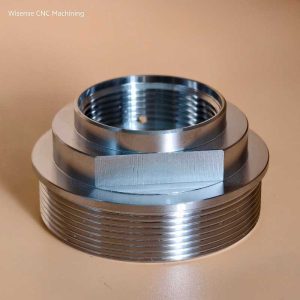
- 247 CNC machines
Benefits of partnering with experienced providers include:
- Improved process efficiency: A knowledgeable partner can identify unnecessary complexities in your design and suggest ways to reduce production time and material waste.
- Access to advanced equipment: Established providers often invest in cutting-edge machinery that offers faster cycle times while maintaining high precision.
- In-house experts for consultation: Their experience provides valuable insights, saving you from trial-and-error mistakes during production.
By collaborating with the right machining partner, you can significantly reduce overall costs while ensuring top-tier product quality.
Implementing these strategies ensures that your stainless steel CNC machining process operates as cost-effectively as possible, balancing quality and affordability for your next project.
How to Estimate Stainless Steel CNC Machining Cost
Accurately estimating the cost of stainless steel CNC machining is critical for planning and budgeting your projects. Whether you’re a business owner or a project manager, breaking down the various cost components and leveraging available tools and resources can help ensure your cost forecasts are realistic. Below, we address key areas that influence these costs and offer practical solutions to better estimate your project expenses.
Breakdown of Typical Cost Components
Stainless steel CNC machining costs are influenced by several factors, each contributing to the final price. It’s helpful to understand these key components:
- Material Costs: Stainless steel grade affects pricing significantly. Common grades like 304 are cost-efficient, whereas 316 is more expensive due to superior corrosion resistance.
- Labor Costs: Skilled labor is essential for setting up, programming, and operating CNC machines. Expect hourly rates ranging from $60–$100 based on the project’s complexity.
- Tooling Charges: Since stainless steel is a tough material, specialized tools like carbide cutters are frequently used, driving up tool-related expenses. Tool wear and replacements also add recurring costs.
- Machine Runtime: The cutting speed, depth, and precision level impact cycle time. Longer runtime increases energy usage and operational wear on machines.
- Overheads: These include facility operating costs, administrative expenses, and packaging or shipping fees. They are typically spread across the units produced, reducing the per-unit rate in bulk production.
Knowing the breakdown of these components gives you a clearer picture of where your budget allocation might go.
Using Online CNC Quoting Tools
Estimating CNC machining costs manually can be tedious and sometimes inaccurate. Thankfully, online CNC quoting tools simplify this process. These calculators allow you to input parameters such as material type, part dimensions, tolerances, and production volume to generate cost estimates quickly.
Popular tools include:
- CustomPartNet’s Machining Cost Estimator: An intuitive platform where you can build detailed process plans and generate instant quotes. Try it out here.
- CNC Machine Hourly Rate Calculator by CNC Cookbook: Ideal for calculating machine hourly rates, including factors like tooling costs and labor time. Access the calculator.
These tools are particularly useful for comparing quotes, enabling you to find the most budget-friendly solution without sacrificing quality.
Consulting with Machining Specialists
When the stakes are high, consulting an experienced CNC machining specialist can be your best move. Specialists provide insights that go beyond basic cost estimation, helping evaluate factors like material suitability, design optimization, and even production scaling.
Why consult with experts?
- Accurate Cost Projections: Professionals can assess your designs, identify cost-reduction opportunities, and deliver precise estimates based on industry experience.
- Design Improvements: They may suggest removing unnecessary complexities in your design to minimize machining time and material usage.
- Guaranteed Quality: Specialists ensure your chosen processes and materials meet technical requirements, reducing the chance of production delays or defects.
Getting advice from machining consultants like Wisense Machining ensures you remain on target financially while upholding your project’s quality standards.
By understanding the various cost factors, utilizing reliable tools, and consulting specialists, you’ll be well-prepared to ensure your stainless steel CNC machining projects are both cost-effective and high-quality.
Conclusion
Understanding stainless steel CNC machining costs is essential for making smart decisions that balance quality and budget. From material selection to design complexity and production volume, each choice can significantly influence your expenses. With the right strategies—like optimizing designs, selecting the appropriate stainless steel grade, and partnering with an experienced machining provider—you can reduce costs while maintaining top-notch results.
Whether you’re planning your next project or looking to improve efficiency, taking the time to evaluate these factors will set you up for success. Ready to move forward? Start by reviewing your project’s needs and exploring trusted CNC machining experts to bring your ideas to life.
