
ISO 9001 plays a significant role in the CNC machining industry by setting a global standard for quality. It provides a framework that ensures consistent processes, reliable production, and customer satisfaction. For companies, this certification isn’t just a badge—it’s a commitment to excellence that builds trust with clients and demonstrates a competitive edge in a demanding market. Wisense’s dedication to precision machining reflects how ISO 9001 compliance promotes consistency and reliability in manufacturing. Whether you’re a client or a manufacturer, understanding this certification is key to ensuring quality and trust in every project.
Understanding ISO 9001 Certification
When discussing quality management in CNC machining, ISO 9001 is a term that often comes to the forefront. This globally recognized standard provides a solid framework, ensuring consistency and reliability across manufacturing processes. It isn’t limited to CNC machining—its principles serve industries worldwide, promoting improved operations and customer satisfaction.
What is ISO 9001?
ISO 9001 is an international standard for Quality Management Systems (QMS). It focuses on several principles such as customer focus, leadership involvement, and continuous improvement. The goal is simple: ensure organizations provide products or services of consistent quality while meeting both regulatory requirements and customer expectations.
The framework of ISO 9001 is well-structured, with specific requirements for documentation, resource management, product realization, and performance evaluation. This isn’t just about ticking boxes; it’s about embedding quality into every layer of a company’s processes.
The versatility of ISO 9001 is apparent in its adoption. While industrial manufacturing and CNC machining heavily rely on these standards, they also apply to fields like healthcare, education, and even agriculture. This universality reflects ISO 9001’s robustness in establishing and maintaining quality management systems across sectors. For CNC machining companies specifically, adhering to ISO 9001 demonstrates reliability, precision, and a commitment to delivering results that meet stringent quality demands. Wisense Machining’s adherence to ISO 9001 underlines its focus on excellence in every project undertaken. Explore how Wisense integrates quality standards into CNC services.
Evolution of ISO 9001
Like any significant tool, ISO 9001 has evolved over the years to meet changing industrial and customer expectations. Its origin dates back to 1987, with subsequent updates designed to improve clarity, adaptability, and relevance.
- ISO 9001:1987: The first version laid the foundation, inspired by military-grade quality assurance systems. Its primary use was often geared towards large-scale manufacturing.
- ISO 9001:1994: This edition introduced preventive actions, focusing on proactive quality management rather than reactive measures.
- ISO 9001:2000: A major overhaul, this version combined multiple standards into single guidelines. The shift emphasized customer satisfaction and continual improvement.
- ISO 9001:2008: Subtle refinements ensured clearer terminology, enhancing usability across various industries, including CNC machining.
- ISO 9001:2015: The latest version adopts a more flexible risk-based approach. It integrates seamlessly with other management systems like ISO 14001 and emphasizes leadership accountability.
Why do these updates matter to CNC machining companies? Older versions focused heavily on process control, while the 2015 version incorporates risk management and customer satisfaction. This shift supports the precision and zero-margin-for-error philosophy central to CNC machining. Learn more about the significance of ISO standards in CNC practices on Wisense’s Management page.
Today, ISO 9001 remains a benchmark for companies looking to improve operations without compromising quality, making it indispensable in the competitive world of CNC machining. For further context, check this insightful resource on ISO 9001 standards.
Importance of ISO 9001 in CNC Machining
ISO 9001 is more than just a certification—it’s the backbone of consistent, high-quality operations in CNC machining. This framework provides manufacturers with a structure for ensuring quality and streamlining operations, which reassures clients and boosts efficiency. Let’s explore how ISO 9001 directly impacts CNC machining.
Ensuring Consistent Quality
Imagine the difference between a well-oiled machine and one that constantly breaks down. ISO 9001 is like the maintenance manual, ensuring smooth and consistent performance in CNC machining. By adhering to this global standard, manufacturers maintain strict quality control at every stage of the production process.
- Standardized quality checks: Companies implement in-depth inspections and monitoring systems, reducing the chances of defects.
- Process traceability: ISO 9001 ensures that every step, from material selection to final assembly, is fully documented and verified.
This focus on consistency helps manufacturers meet client demands, eliminate costly errors, and deliver exceptional results. To see how adhering to ISO 9001 affects precision machining, check out ISO 9001 Compliance and Industry Best Practices.
Building Client Trust
If you’re a client, wouldn’t you prefer working with a company that meets global quality standards? That’s where ISO 9001 sets CNC machinists apart. Certification builds trust by showing a company’s commitment to quality, safety, and reliability.
- Proof of credibility: An ISO-certified manufacturer demonstrates its expertise and dedication to excellence.
- Long-term partnerships: Clients often prefer ISO-certified suppliers, as it minimizes risks and ensures consistent performance.
For manufacturers, these aspects make ISO 9001 a valuable tool for not just winning but retaining long-term contracts. It’s more than a standard—it’s a competitive advantage.
Streamlining Processes
Efficiency isn’t just useful; it’s essential in the fast-moving world of CNC machining. ISO 9001 isn’t only about quality—it also compels manufacturers to evaluate their workflows and identify opportunities for improvement.
Here’s how ISO 9001 improves operational efficiency:
- Eliminating waste: Processes are analyzed to reduce redundancies and focus on what truly adds value.
- Optimized workflows: By standardizing tasks, machinists avoid delays, miscommunication, and unnecessary costs.
- Continuous improvement: ISO 9001 fosters a mindset where every detail, from tool calibration to communication, is subject to improvement.
This level of efficiency doesn’t just boost productivity; it lays the foundation for sustainable growth. Learn more about how ISO 9001:2015 certified processes contribute to cleaner operations and higher precision.
These benefits make ISO 9001 an integral part of CNC machining, allowing manufacturers to exceed expectations on every project.
Is ISO 9001 Worth It?
Let’s be real—implementing ISO 9001 requires investment of time, money, and organizational energy. But when you consider the alternatives—rework, scrap, customer complaints, lost business—the return on investment becomes clear. One shop owner told me they recovered their certification costs within months through reduced waste alone.
In today’s competitive manufacturing landscape, ISO 9001 certification has increasingly moved from “nice to have” to “must have” status, especially for shops serving demanding industries.
Whether you’re a shop owner considering certification or a potential customer evaluating suppliers, understanding ISO 9001’s role in CNC machining provides valuable insight into what truly separates exceptional manufacturers from the merely adequate.
How to Obtain ISO 9001 Certification for CNC Machining
ISO 9001 certification demonstrates credibility, reliability, and quality to clients and partners. For CNC machining businesses, obtaining this certification is not only about compliance but also about driving operational excellence. Let’s break down the process into actionable steps:
Initial Assessment and Gap Analysis
Before diving into ISO 9001 certification, understanding where your business currently stands is crucial. This involves a gap analysis, which compares your existing processes against the requirements of ISO 9001.
Here’s what to focus on:
- Evaluate systems and workflows: Look at every process in your CNC machining operations. Are your quality control systems compliant with ISO standards?
- Identify gaps: Pinpoint areas where your current workflows fall short—be it documentation, resource management, or process consistency.
- Set clear goals: Use the findings to outline what adjustments are needed to meet the certification requirements.
Taking these preparatory steps ensures a focused and streamlined approach to implementing the needed changes. Want to dive deeper? Check out ISO 9001 Certification for CNC Machining Companies for more insights into aligning your operations.
Documentation and Implementation
The next stage covers two integral areas: creating the required documentation and applying the updates to align with ISO 9001 standards.
Key steps include:
- Create a quality manual:
- This document outlines your policies, procedures, and the scope of your quality management system. It’s like the operational bible for ISO compliance.
- Establish detailed procedures:
- Record step-by-step procedures for essential activities, like material sourcing, machining, and quality checks.
- Train your team:
- Every employee, from shop floor operators to managers, needs to understand ISO 9001 principles. Training ensures consistency and engagement.
- Implement changes:
- Start modifying workflows, upgrading tools if needed, and embedding quality-focused processes across the factory floor. For example, emphasizing traceability in material handling and machining stages can go a long way.
This process may require some investment in terms of time and resources, but it’s an investment in long-term reliability and competitiveness. Learn how Wisense ensures best practices across its operations through a commitment to Quality Assurance through Auditing.
Auditing and Continuous Improvement
Certification doesn’t end with documentation and implementation—it’s just the beginning. Both internal and external audits play a critical role.
- Internal audits: Regular reviews of your quality management system help identify issues before they escalate. For CNC machining, this might mean checking for machine calibration errors or inconsistencies in documenting workflow stages.
- External audits: These are conducted by ISO-accredited bodies to verify compliance. Be prepared to present all your documentation and demonstrate how your processes align with ISO 9001 standards.
But it’s not just about passing the audits. Maintaining certification requires a culture of continuous improvement. That means:
- Reviewing customer feedback regularly.
- Monitoring process performance.
- Always looking for ways to enhance efficiency, reduce waste, and improve quality.
Maintaining compliance is an ongoing commitment that adds value to your business. For an in-depth look at best practices, How And Why To Get Your Machine Shop ISO 9001 Certified offers additional guidance on achieving and holding onto certification.
ISO 9001 certification may seem daunting, but with the right approach, it becomes a pathway to building trust, streamlining operations, and standing out in the competitive CNC machining industry.
Challenges and Solutions in ISO 9001 Implementation
While ISO 9001 certification can bring a host of benefits to CNC machining businesses, the journey to get there is often complex. From budget concerns to workforce engagement and balancing production with certification, challenges abound. Here’s a closer look at these obstacles and practical solutions to navigate them.
Cost Implications
Implementing ISO 9001 involves a notable investment, which can be daunting for small and medium-sized operations. However, these costs often become significant savings down the road because of increased efficiency and reduced waste.
To manage costs effectively:
- Create a budget: Break down the certification process into smaller, measurable stages. This helps avoid financial strain.
- Invest in expertise: While hiring external consultants may seem costly, they can save time and resources by streamlining the certification process.
- Utilize technology: Use affordable software tools for documentation management. This avoids manual errors and speeds up compliance readiness.
- Plan updates gradually: Instead of a full overhaul, introduce changes in phases to maintain cash flow while continuously improving.
Remember, ISO 9001 certification isn’t just an upfront expense—it’s a strategic investment that can lead to better profitability in the long term. As production errors decrease and client satisfaction improves, the returns justify the costs.
Training and Staff Engagement
ISO 9001 isn’t just about processes; it’s also about people. Without the buy-in of your employees, even the best protocols will fall flat. Lack of training and engagement is often a significant hurdle during implementation.
Here’s how to tackle it:
- Prioritize training: Ensure employees understand ISO 9001 principles and their role in upholding them. Workshops, e-learning modules, and cross-departmental sessions are great options.
- Involve staff early: When employees contribute to designing or optimizing workflows, their engagement tends to rise because they feel ownership of the changes.
- Provide clear communication: Explain the certification’s purpose and benefits not just for the company but also for the staff—like structured workflows that avoid constant last-minute changes.
- Celebrate milestones: Recognize and reward progress in achieving ISO standards, keeping morale high.
Ultimately, engaged staff are more likely to embrace the changes, making the journey smoother.
Balancing Production and Certification Efforts
Maintaining current production while undertaking the certification process is like fixing a plane while flying it—it requires careful planning. Without a solid strategy, you risk production downtimes and missed deadlines.
To manage this balance effectively:
- Integrate ISO initiatives into existing workflows: Instead of treating ISO certification as a separate project, align it with your ongoing production processes.
- Delegate roles: Assign specific personnel to oversee ISO aspects while others manage day-to-day production. This split focus minimizes disruptions.
- Use external auditors or consultants: External expertise can reduce the workload on your internal teams, allowing machinists to focus on hitting production targets.
- Schedule wisely: Plan ISO activities like audits and training during slower production periods. This ensures machinery stays operational during peak demand times.
By approaching ISO certification as part of your overall strategy—not an isolated endeavor—you reduce the chance of disrupting your operations. For more insights about efficient manufacturing practices in CNC operations, browse Wisense’s dedicated resources on precision and quality.
Navigating these challenges need not be overwhelming with a well-prepared plan, engaged team, and ongoing communication. Mastering ISO 9001 implementation not only opens doors to operational excellence but also gives your CNC machining business the competitive edge it deserves.
ISO 9001 Certified CNC Machining Company – Wisense
When searching for a CNC machining partner, certifications like ISO 9001 ensure you’re working with an organization committed to quality and precision. Wisense Machining is a prime example of how ISO 9001 certification delivers excellence in every aspect of production. Our commitment to high standards not only sets us apart but also guarantees that each project aligns with rigorous quality benchmarks. Let’s explore what makes Wisense exemplary in the realm of ISO-certified machining.

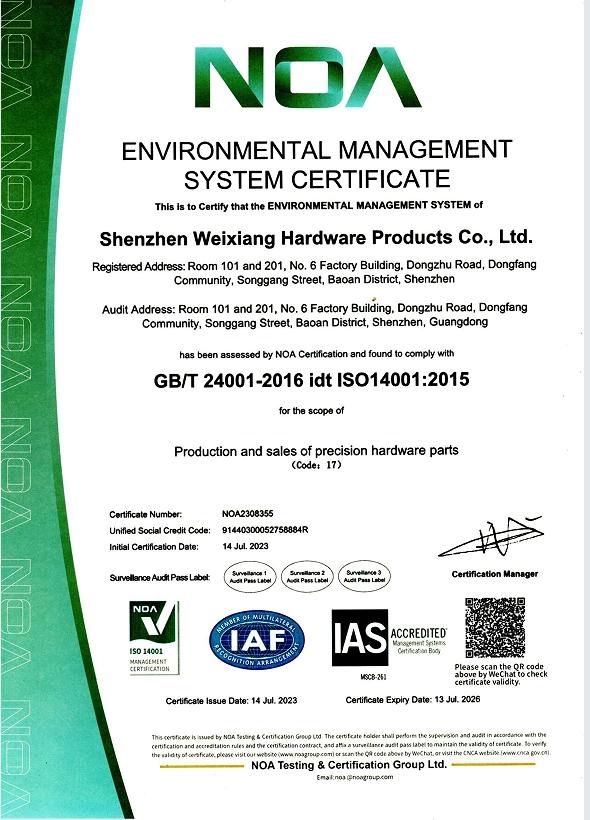

Commitment to Quality Management
As an ISO 9001-certified CNC machining company, Wisense adheres to a finely tuned quality management system that guarantees precision in every project. At its core, the ISO 9001 framework ensures that processes are documented, consistent, and designed for continuous improvement. This commitment isn’t just about meeting requirements—it’s about exceeding expectations.
Wisense has implemented thorough guidelines for process traceability and quality checks. From material sourcing to final production, every step is meticulously monitored and controlled. This dedication to structure underscores the company’s ability to deliver products that meet industry specifications without compromising on efficiency.
Excellence in Precision Machining
ISO 9001 certification remains crucial in industries where precise tolerances and reliability aren’t negotiable. For clients requiring high-accuracy work, Wisense’s certification signifies our ability to meet stringent requirements consistently. The certification framework allows for:
- Improved product accuracy: Ensuring parts meet exact specifications, reducing the margin for error.
- Customer-focused operations: Delivering solutions tailored to clients’ specific needs, backed by robust quality assurance.
- Preventative measures over corrective ones: Employing systems that anticipate and resolve potential errors before they affect production.
These strengths highlight why ISO certification is essential—not just for compliance but also for ensuring outcomes that build long-term client trust.
Advancing Through Continuous Improvement
Wisense doesn’t view ISO 9001 as a static achievement; they treat it as a foundation for ongoing growth. Regular audits, internal process reviews, and customer feedback loops enable their team to adapt to changing demands and maintain peak performance.
By fostering a culture where continuous improvement is a priority, Wisense evolves alongside industry advancements, ensuring our services remain effective and innovative. This proactive approach sets the company apart in a competitive marketplace.
Customer Confidence and Trust
For clients, partnering with an ISO 9001-certified CNC company like Wisense is an assurance of quality, transparency, and reliability. This certification acts as a third-party endorsement, proving the company’s capabilities in delivering superior outcomes.
Wisense reassures customers through:
- Strict adherence to global standards: Commitment to universally accepted quality parameters.
- Enhanced reporting and insight: Full project traceability for informed decision-making.
- Reduced production risks: Lower likelihood of errors, defects, or delivery delays.
By guaranteeing these qualities, Wisense positions itself as a trusted partner for businesses in need of CNC machining solutions.
This level of dedication to quality and customer satisfaction underscores why Wisense is an established leader in the CNC machining industry. Our capabilities demonstrate how ISO 9001 isn’t just a certification—it’s a promise of excellence.
Conclusion
ISO 9001 certification plays an essential role in elevating the CNC machining industry. It ensures high-quality standards, fosters client trust, and drives efficiency through well-structured processes. This globally recognized framework not only benefits manufacturers but also reassures clients of consistent, reliable results.
Whether you’re looking to streamline operations or build credibility in competitive markets, ISO 9001 proves invaluable. Ready to learn how precision-focused services can meet your needs? Explore CNC Machining Services to see how ISO certification transforms performance into a benchmark of trust and quality.
