
If you work in manufacturing or metalworking, you’ve heard of 1018 carbon steel. Shops love this low-carbon steel for its balance of strength, easy machining, and affordability. You’ll find it in everything from shafts and bolts to parts for cars and heavy equipment. You can learn best practices of 1018 carbon steel machining in this article.
Machining 1018 carbon steel matters because the final product depends on precision and smooth finishes. Its consistent quality makes it a top pick for CNC jobs, drilling, and turning, so knowing how to machine it well can save time and cut costs. Whether you’re machining big batches or a single prototype, understanding this material can improve your results and keep your projects running smoothly.
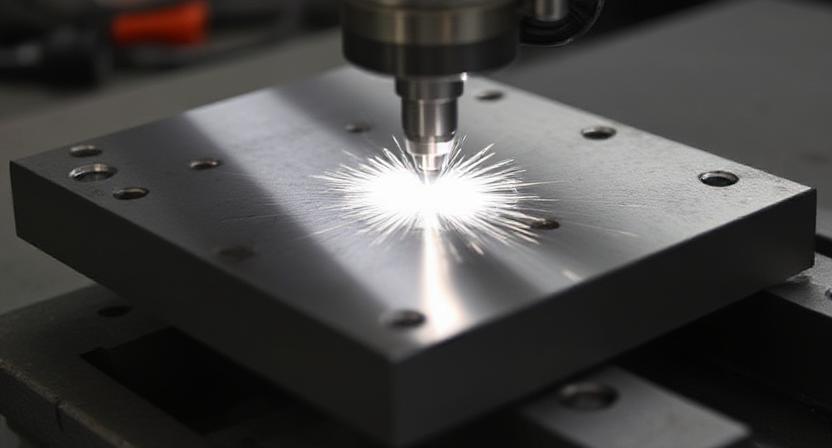
Understanding 1018 Carbon Steel
If you want to get great results from 1018 carbon steel, it’s helpful to know what it’s made of and how it holds up against other types. The right background info means you can predict how it responds in your mill or lathe and avoid surprises after hard work. Let’s look at what’s inside 1018, what it can handle, and how it compares to other common carbon steels so you can pick the right one for each job.
1018 steel is a low-carbon steel known for its excellent weldability, machinability, and relatively high ductility. The carbon content in 1018 steel typically ranges between 0.15% to 0.20%, making it a mild steel with good formability and toughness. Due to its low carbon composition, 1018 steel is not suitable for heat treatment to achieve high hardness but is often used in applications requiring moderate strength, such as shafts, pins, and machinery parts. Its balanced properties make it a popular choice in manufacturing and fabrication industries where ease of machining and welding are essential.
Chemical Composition and Mechanical Properties of 1018 Carbon Steel
1018 carbon steel is low carbon, which sets the tone for its abilities in the shop. The main ingredients and their rough percentages look like this:
- Carbon: 0.15%–0.20%
- Manganese: 0.60%–0.90%
- Phosphorus: Max 0.04%
- Sulfur: Max 0.05%
- Iron: Balance
This simple mix gives 1018 some reliable strengths:
- Good ductility and formability
It bends and shapes without cracking, making it a top pick for parts that get tweaked during setup. - High machinability
It’s easy on tools and doesn’t gum up. Smoother chips and less risk of work hardening mean faster cycle times. - Consistent workability and finish
You get steady results and a clean surface with minimal effort, which cuts down on finishing time. - Decent tensile strength (around 440 MPa) and yield strength (around 370 MPa)
These numbers mean it holds up for most standard parts but isn’t meant for heavy loads or bulk wear.
What does this mean for your shop? When you need pieces that are easy to machine, reliable in everyday use, and not too pricey, 1018 usually fits. Its predictability makes it a go-to for training and production runs alike.
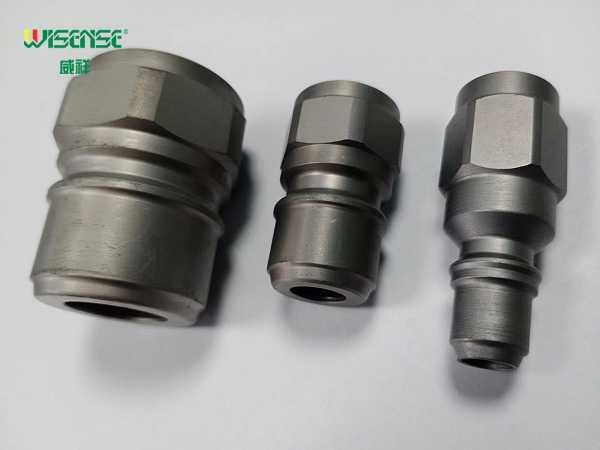
Comparison with Other Carbon Steels (e.g., 1045, 1020)
Not all carbon steels are created equal, and a quick side-by-side makes the choices clear. Here’s how 1018 compares to two other regulars: 1020 and 1045.
- 1020 Carbon Steel
- Even lower carbon content (about 0.18%)
- Greater ductility for deep drawing and forming.
- Machinability is nearly the same as 1018, but finish may not be quite as smooth.
- Works well when you need even more shaping and less strength.
- 1045 Carbon Steel
- Higher carbon (about 0.43%)
- Much stronger and harder than 1018, with higher tensile and yield strength.
- Tougher to machine—causes more tool wear and slower feeds.
- Needed for parts that take a beating or need heat-treating, but not for speed or large batch work.
Here’s a quick summary:
| Steel Grade | Carbon (%) | Machinability | Strength | Ductility | Typical Use |
|---|---|---|---|---|---|
| 1018 | 0.15–0.20 | High | Medium | High | Shafts, pins, structural parts |
| 1020 | ~0.18 | High | Medium | Very High | Deep drawn parts, tubing |
| 1045 | ~0.43 | Medium | High | Medium | Gears, axles, studs, heavy-duty parts |
With 1018, you hit a nice middle ground: it’s strong enough for most standard parts, smooth to machine, and friendly on tools. If you need more punch, 1045 is the answer, but it trades fast machining for added muscle. For jobs with a lot of forming, 1020 can be the better bet.
This all means you can trust 1018 for easy turning, drilling, or tapping without a lot of fuss—great for staying on schedule and under budget.
Machinability of 1018 Carbon Steel
When it comes to machining, 1018 carbon steel is a crowd favorite for both small shops and big production lines. It’s all about easy cutting, reliable performance, and a friendly price tag. Let’s dig into what makes 1018 so workable at the bench or in the CNC, and what to keep an eye on when machining this popular low-carbon steel.
Why 1018 is Preferred for Machining
1018 stands out in the shop for a handful of solid reasons. You’ll see machinists pick it time and again, and here’s why:
- Low Carbon Content: With only about 0.15–0.20% carbon, 1018 stays soft enough for most machining jobs. This means less force is needed to cut, drill, or tap, which helps keep your machines running smoothly and tools in good shape.
- Consistent Quality: Uniform chemistry and structure mean you get the same results from one piece to the next. This is huge when repeatability and tight tolerances matter.
- Cost-Effective: Compared to higher carbon or alloy steels, 1018 offers affordability without a big drop in performance. You don’t have to pay extra for easy workability.
- Reliable Machinability: It holds a machinability rating of about 78% (relative to free-machining steel at 100%). This helps with faster feeds, smoother finishes, and less downtime for tool changes.
When you pick 1018, you get a combination of:
- Shorter cycle times
- Less tool wear
- Clean chip formation
- Fewer surprises during cutting, turning, or facing
This makes 1018 carbon steel a smart first pick for general machining, prototypes, and big production runs where efficiency matters. The steel doesn’t harden as you cut, so you won’t have to deal with work-hardening headaches like some tougher grades.
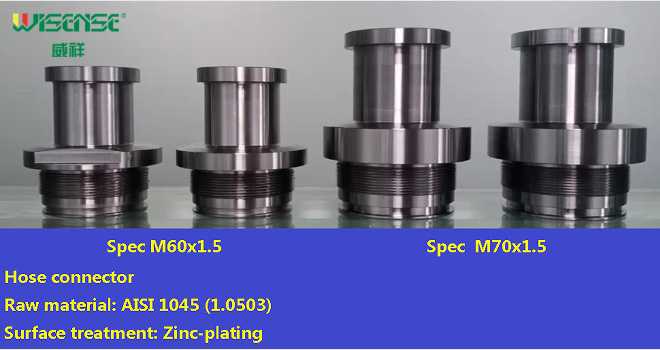
Limitations and Challenges When Machining 1018
1018 isn’t perfect, and a few bumps in the road can show up if you’re not prepared. While it’s friendly for most cutters, certain issues will pop up if you’re machining at high speeds or shooting for mirror-finish surfaces.
Here are a few challenges that come with the territory:
- Edge Buildup on Tools: Because 1018 is a low-carbon steel, it can be a bit sticky, especially at higher speeds. Material can build up on the tool’s cutting edge, hurting accuracy and surface finish if not managed.
- Surface Finish Concerns: If you push speeds and feeds too far, 1018 may leave a slightly rougher finish. It’s not as buttery as true free-machining steels, so hitting that flawless shine might take extra polishing or a different insert.
- Tool Wear in Mass Production: Even though 1018 isn’t hard, large volume runs can still wear out cutting edges if coolant is lacking or if feed rates are off. Watching your tooling and keeping everything sharp is key.
- Chip Control: While chips are usually manageable, finer feeds can make stringy or tangled swarf, slowing things down if not cleared out regularly.
To minimize these issues:
- Use sharp high-speed steel or carbide tooling
- Apply a steady coolant flow
- Adjust speeds and feeds based on tool wear and finish goals
Even with these nuances, most machinists find 1018 far easier to manage than medium or high-carbon steels. A little bit of tuning goes a long way, and with practice, you’ll get high-quality parts with minimal fuss. If you want predictable performance and less stress at the machine, 1018’s machinability keeps your shop moving.
Best Practices for Machining 1018 Carbon Steel
Getting the most from 1018 carbon steel means going beyond just the basics. A few small choices at setup can save hours on the shop floor. With the right tooling, secure fixturing, and some care around tool wear, you can get great results and long tool life with minimal hassle. Here’s how to set yourself up for success when machining 1018.
Tool Selection and Cutting Parameters
Picking the right tool makes all the difference in how 1018 machines and the finish you get.
- Tool Material
- High-speed steel (HSS) works well for short runs, light cuts, and general milling or drilling. It’s cost-effective and easy to resharpen.
- Carbide tools are the top choice for longer runs, higher production, or CNC work. Carbide keeps a sharp edge longer, lets you run faster, and holds up better in roughing passes.
- Cutting Speeds & Feeds
- For HSS tools: Start around 80–120 surface feet per minute (SFM).
- For carbide: Use 200–300 SFM.
- Feed rates depend on your setup, but aim for 0.002–0.008 inches per tooth on milling, and similar values for turning, based on your rig and tool size.
- Increase speed for light finishing cuts. Reduce speed and feed slightly for interrupted cuts or hard spots.
- Coolant
- Always use a flood coolant or a light mist of cutting oil. This helps with chip removal, keeps the material cool, and protects your tools.
Customizing these choices to your shop and job means cleaner parts, quicker runs, and fewer tool changes.
Preparation, Fixturing, and Workholding Tips
Good results start before the first cut. Get your stock prepped and your setup right to avoid trouble as you machine.
- Material Preparation
- Wipe down material to remove scale and oil. If needed, face or square up rough saw cuts for accurate starts.
- For critical jobs, stress-relieve the steel to fight internal stresses that can cause part movement after machining.
- Securing Workpieces
- Use a solid vise or quality clamps. Double-check all bolts for tightness, especially when running heavy milling.
- Support long bars or shafts to reduce flex.
- Vibration & Distortion
- Always keep unsupported lengths to a minimum.
- Add backup blocks or pads for added grip.
- For thin parts, use step blocks or parallels to spread out pressure and avoid distorting the work.
A stable setup won’t just boost accuracy—it also protects your machines and shortens time spent on touch-ups later.

Minimizing Tool Wear and Improving Surface Finish
A slick surface and sharp tool edges keep operators and customers happy. A few small steps will help your tools last longer and your parts look their best.
- Lubrication
- Don’t skimp on coolant or oil. Plenty of fluid clears chips and cools both the work and the tooling, which works wonders for finish.
- Chip Control
- Use chip breakers or modified inserts when possible for turning and milling.
- Avoid stringy chips by adjusting feed up or speed down if you spot birds’ nests forming.
- Regularly clear swarf so chips don’t jam up the work or damage your tools.
- Finishing Passes
- Plan a light finishing cut as the final step (often 0.005–0.010 inches in depth). Reduce feed and increase speed slightly for best gloss.
- Maintenance
- Replace or resharpen tools before they dull.
- Inspect tool holders and collets for wear or runout that could affect finish.
By focusing on lubrication, chip control, clean finishes, and fresh tooling, you build consistency into each job. That’s how you get smooth, accurate parts and spend less time fighting rework.
Applications of Machined 1018 Carbon Steel Components
1018 carbon steel parts show up everywhere thanks to their steady quality, ease of use, and cost benefits. From small bolts to large shafts, industries depend on this material to build what keeps the world running. Its ability to handle machining with little fuss means parts get made faster and keep up with tight specs.
Examples of Common Parts and Industries
You can spot machined 1018 carbon steel in countless places, especially in fields where low-cost, reliable parts matter.
Automotive Sector:
Car and truck factories use 1018 for axles, pins, shafts, and mounting brackets. Parts need to be strong but not overly hard, so they resist wear but don’t crack or snap from vibration. 1018’s predictable performance makes it a steady choice for high-volume auto components.
Construction Equipment:
Heavy machinery takes a beating. Companies rely on 1018 steel for gears, bushings, and support pieces in cranes, bulldozers, or structural frames. It holds up well for these moderate-stress parts and can be welded or drilled on site if needed.
Industrial Machinery:
Manufacturers turn to 1018 for gears, couplings, machine frames, and base plates. Its easy machinability keeps shop costs low for custom or repair jobs. Operators appreciate how it handles repeated use and movement without failing.
Hardware and Fasteners:
You’ll find 1018 carbon steel behind the scenes in nuts, bolts, threaded rods, and dowel pins. These simple but essential components need to be consistent and widely available. 1018’s blend of strength and low price is perfect for this.
Other Uses:
- Agricultural equipment (hubs, brackets, pins)
- Office furniture (slides, support rods)
- Appliance frames and housings
Anywhere you look for reliable, repeatable steel parts, chances are you’ll run into 1018.
Advantages in Manufacturing and Fabrication
What sets 1018 apart is how it helps manufacturers work smarter, not harder. Shops often pick it when they need to run large orders or want to reduce headaches in making custom pieces.
Key advantages include:
- Fast Machining Cycles: 1018’s softness means machines can cut, drill, or turn it at higher speeds. This shortens cycle times and gets parts off the machine faster.
- Lower Tool Wear: The low-carbon structure doesn’t grind away tooling as quickly as harder steels. Fewer tool changes lead to lower costs and fewer interruptions.
- Consistent Quality: The chemical mix of 1018 rarely varies batch to batch. This reliable makeup ensures each part is nearly identical, so quality checks go smoother and assembly lines keep moving.
- Easy to Finish: 1018 accepts surface treatments like galvanizing, painting, or plating. Shops can finish parts based on the job, whether they need weather protection or a polished look.
- Simple to Weld and Form: Need a special bracket or want to weld an extension? 1018’s weldability and ductility mean you can tweak and join parts easily without cracking.
- Repeatability for Production Runs: When mass-producing parts, downtime and rework cut into profit. 1018’s steady machinability delivers high repeatability, reducing scrap and headaches.
Bottom line:
If your operation values durable parts, fast production, and predictable results, machined 1018 carbon steel checks all the boxes. It supports a range of industries and makes the manufacturing process smoother from start to finish.
1018 Low Carbon Steel Precision Machining Services
For anyone who needs parts that fit exact measurements, precision machining services with 1018 low carbon steel are a smart pick. These services are excellent for tight tolerances. This type of steel stands out for its easy machinability, predictable material behavior, and lower costs, making it a go-to for precision work in both small shops and Wisense bulk production.
Why 1018 Steel Shines in Precision Machining
Shops that offer precision machining often recommend 1018 steel for jobs that demand detail and repeatability. The reasons come down to its chemical makeup and material consistency, which translate into solid results at the machine.
- Uniform Properties: 1018 stock almost always arrives free from big surprises. Its chemical balance means consistent hardness and response to machining from one batch to the next.
- Smooth Machining: The low carbon content keeps cutting forces manageable. Operators get steady feeds and speeds without fighting hard spots or unpredictable tool wear.
- Reliable for Tight Tolerances: Thanks to its workability, 1018 can handle small details—like close-tolerance bores, fine threads, and precise slots—without worry about the steel warping or shifting out of spec.
- Friendly to CNC and Manual Machining: Whether you’re running a quick manual job or a multi-axis CNC production line, 1018 responds well, holding size and finish from start to finish.
These strengths make 1018 a favorite when precision matters and budgets are tight.
Typical Services Offered for 1018 Precision Machining
Wisense precision machining offering work with 1018 steel often cover a wide range of processes. Here’s what you can expect:
- CNC Turning and Milling: Computer-controlled turning for shafts, bushings, and threaded parts, plus high-speed milling of slots, pockets, and profiles.
- Drilling and Tapping: Clean, straight holes with tight positional accuracy. 1018’s machinability offers crisp threads with minimal tool wear.
- Swiss Machining: Wisense equipped 60 units Swiss type lathes for high volume carbon steel machining. Stable quality, affordable price.
- Grinding and Polishing: Flat or round surfaces get a smooth finish after rough machining—great for applications where surface roughness matters.
- Small Batch Prototyping: Need one-off or low-volume pieces for a pilot run? 1018 handles custom cuts and adjustments without the risk of over-hardening.
- Production Runs: High volume orders move fast thanks to the steel’s soft cutting action and easy swarf removal.
- Secondary Operations: Operations like broaching, reaming, or light fabrication join the list since 1018 can be welded and shaped without stress cracks.
Choosing a shop with experience in 1018 carbon steel machining means you can trust every step from rough stock to finished component.

- 247 CNC machines
- 0.005-0.02mm precision
Quality Checks and Final Inspection for 1018 Components
High-quality results depend on careful checking at every step. Trusted precision machining services develop their own checks to guarantee 1018 steel parts meet every customer’s spec.
- Dimensional Inspection: Parts get checked with micrometers, calipers, and gauges to listed tolerances. For CNC projects, this often means every feature is checked before and after cutting.
- Surface Finish Testing: If the job requires low surface roughness, machinists use profilometers and visual inspections to compare parts against finish standards.
- Material Traceability: Good shops keep records of steel batch numbers and test certifications, so every part’s source can be tracked.
- Thread and Fit Checks: Precision-machined threads and mating fits are tested with thread gauges or by trial fitting to ensure smooth assembly.
Customers get peace of mind knowing their 1018 parts will fit and function right out of the box.
How to Choose a 1018 Precision Machining Service
Picking the right precision machining partner is key for quality 1018 steel components. Look for these signs of a reliable shop:
- Modern CNC and Inspection Equipment: Updated machines and metrology tools help keep tolerances tight.
- Clear Communication: Shops who ask smart questions about your drawings, tolerances, and finish needs usually deliver better results.
- Experience with 1018 Steel: Not all steels act the same on the mill or lathe. A shop used to working with 1018 avoids problems and speeds up turnaround.
A reliable machining service, experienced with 1018 low carbon steel machining, can help you turn simple raw bars into detailed, ready-to-use parts, while keeping costs and lead times under control. Wisense is the correct choice for you with 247 units CNC machines stand by.
Conclusion
Machining 1018 carbon steel comes down to combining the right prep, sharp tools, and smart setup. Shops count on its reliable quality, easy handling, and low tool wear for parts that need to run true and finish strong. Sticking with proven practices—solid fixturing, plenty of coolant, and regular tool checks—means you get smooth parts and steady production.
If you want to keep sharpening your skills, check out machining handbooks, CNC forums, or supplier guidelines for 1018. There’s always room to improve, whether you’re aiming for tighter tolerances or faster setups.
Thanks for reading. If you have tips or questions about 1018 machining, add them below. For more on steel grades or advanced techniques, browse our other posts and keep building your shop know-how.
