
Stainless steel plays an essential role in nearly every industry, from aerospace to food processing. With so many grades available, choosing the right one can feel overwhelming—especially when comparing popular options like 303 stainless steel vs 304. While both offer excellent corrosion resistance and durability, their unique properties make them suitable for different applications. In this post, we’ll break down their key differences and help you determine which one fits your needs more effectively. If you’re interested in machining stainless steel services for your projects, you can explore more directly through the link.
What is 303 Stainless Steel?
303 stainless steel is a specialized alloy designed to provide high machinability without losing the inherent corrosion resistance of stainless steel. It belongs to the austenitic category of stainless steel, making it non-magnetic in most conditions. Its unique composition has gained popularity across industries, especially for machining applications. But what exactly sets 303 apart from other grades like 304? Let’s break it down.
Composition and Properties
303 stainless steel is essentially a modification of the widely recognized 304 stainless steel. The key difference lies in the addition of sulfur. Here’s a breakdown of its composition:
- Iron: Predominantly iron-based, like all stainless steels.
- Chromium (17-19%): Provides corrosion resistance by forming a passive oxide layer.
- Nickel (8-10%): Enhances toughness and resistance to temperature changes.
- Sulfur (0.15-0.35%): Added to improve machinability but slightly compromises corrosion resistance.
The inclusion of sulfur reduces work hardening during machining, allowing for smoother cutting. However, this same sulfur content limits 303’s weldability and resistance to specific types of corrosion when compared to 304.
Advantages of 303 Stainless Steel
If machining ease is a priority, 303 stainless steel shines. Here are some benefits of choosing this grade:
- Excellent Machinability: Thanks to its sulfur content, 303 is one of the easiest stainless steels to machine.
- Good Corrosion Resistance: While not as robust as 304 in corrosive environments, 303 still resists oxidation and moisture-related damage.
- High Wear Resistance: Ideal for parts subjected to significant friction, like fasteners or gears.
- Non-Magnetic Properties: Remains non-magnetic even in cold conditions, except when heavily cold-worked.
These features make 303 widely used in industries like aerospace, automotive, and electronics. Curious about the machining process? Check out the steps in how to CNC machine stainless steel.
Limitations of 303 Stainless Steel
While 303 excels in machinability, it does come with a few trade-offs:
- Lower Corrosion Resistance: The sulfur weakens its ability to withstand chemicals and chlorides compared to 304.
- Reduced Weldability: Welding 303 is difficult due to its sulfur inclusions, which may create cracks or weak points.
- Not Suitable for High-Temperature Use: Prolonged exposure to heat can degrade its strength and mechanical properties.
These drawbacks can make 303 unsuitable for critical applications in highly corrosive or high-heat environments. To learn more about alternate machining options, visit this CNC turning services resource.
Typical Applications of 303 Stainless Steel
303 stainless steel is a go-to choice when precision machining is essential. It’s commonly used for:
- Fasteners: Bolts, screws, and nuts requiring strength and wear resistance.
- Valve Components: Ideal for parts that require intricate machining.
- Gear Assemblies: Suitable for mechanical parts that endure friction.
- Electrical Connectors: Provides durability without losing structural integrity.
This sets the stage to explore more detailed comparisons between 303 and 304 stainless steel, shedding light on which material is better suited for specific scenarios. Stay tuned for the next section!
What is 304 Stainless Steel?
When it comes to stainless steel, 304 is one of the most common and versatile grades available. Known for its excellent corrosion resistance, durability, and hygiene-friendly properties, it has become a go-to material in industries ranging from food processing to automotive manufacturing. But what makes 304 stainless steel stand out in the world of metallurgy? Let’s dig deeper to understand its composition, properties, and why it’s so popular.
Composition and Properties
304 stainless steel belongs to the austenitic family of stainless steels and is predominantly made up of iron, along with a precise mix of chromium and nickel. Here’s a closer look at its key components:
- Iron: As with all stainless steels, iron forms the primary base.
- Chromium (18-20%): This is what gives 304 its corrosion resistance by forming a protective oxide layer on the surface.
- Nickel (8-10.5%): Adds ductility and enhances its ability to withstand extreme temperatures.
- Carbon (Up to 0.08%): Keeps the steel strong without making it brittle.
- Manganese, Silicon, and Phosphorus: Present in smaller percentages to improve specific mechanical properties.
Thanks to its balanced composition, 304 stainless steel offers a blend of strength, flexibility, and corrosion resistance.
For a more technical exploration of 304’s properties, you can check out this detailed guide on 304 stainless steel.
Advantages of 304 Stainless Steel
Why is 304 stainless steel so widely used? Its unique properties have earned it a spot as a favorite across various industries:
- Excellent Corrosion Resistance: Perfect for environments exposed to moisture, chemical exposure, or oxidizing agents.
- Strong and Durable: Provides a long lifespan, making it cost-effective over time.
- Hygiene-Friendly: Highly resistant to bacterial growth, making it ideal for food and medical applications.
- Ease of Fabrication: Whether you’re cutting, welding, or forming, 304 stainless excels in machinability.
- Non-Magnetic in Annealed State: Remains non-magnetic unless cold-formed.
From cookware to automotive parts, this material is a true workhorse. If your project involves machining needs, explore options in machining stainless steel services.
Limitations of 304 Stainless Steel
While it’s a heavyweight performer, 304 isn’t without its constraints. Here are some key considerations:
- Susceptibility to Chloride: Prolonged exposure to chlorides (like saltwater) can lead to pitting or crevice corrosion.
- Price Point: The additional nickel content makes it pricier than some other grades.
- Temperature Sensitivity: At extreme temperatures, 304 can lose some mechanical strength.
If your application involves harsher conditions or budget concerns, it might be worth comparing this grade with alternatives like 316. For further insights into material differences, see this comparison between 304 and 316 stainless steel.
Typical Applications of 304 Stainless Steel
You’ll find 304 stainless steel practically everywhere, thanks to its versatility. Here are some industries where it truly shines:
- Food Industry: Used for cookware, utensils, and food processors due to its hygiene-friendly properties.
- Medical Field: Ideal for surgical instruments and implants.
- Construction: Frequently used in architectural features like facades and railings.
- Automotive and Aerospace: Deploys in exhaust systems and structural parts for strength and corrosion resistance.
Its adaptability is unmatched, which is why it’s often the first choice for engineers and designers.
To summarize the data 303 stainless steel vs 304, here’s a quick comparison table of key properties for 303 vs. 304 stainless steel:
| Property | 303 Stainless Steel | 304 Stainless Steel |
| Corrosion Resistance | Moderate | High |
| Machinability | Excellent | Good |
| Weldability | Limited | Excellent |
| Magnetic Properties | Non-Magnetic (except when worked) | Non-Magnetic (except when worked) |
| Applications | Machined parts like fasteners | Wide-ranging, including food and medical |
If your project demands high machinability, 303 might be a better pick. But when corrosion resistance and weldability take priority, 304 holds the edge. Looking for help in machining stainless steel? Here’s a complete guide to machining stainless steel.
Comparison of 303 Stainless Steel vs 304: Key Factors
Deciding between 303 and 304 stainless steel can seem like a challenge if you’re not familiar with their core differences. Both materials are widely used in various industries, but their unique properties make them suitable for distinct applications. Here’s a closer look at their differences across critical factors to help you choose the right grade.
303 vs 304 Stainless Steel Strength and Durability
The strength and durability of a material often dictate its usefulness in specific applications. 303 and 304 stainless steels share a similar base composition, which means their tensile and yield strengths are comparable under most conditions. However, 304 stainless steel holds a slight advantage in ductility, making it more resistant to brittleness under stress. This can be critical for applications that require long-term endurance under heavy loads or pressures.
- 303 Stainless Steel: Its primary focus is machinability, which sacrifices some mechanical durability.
- 304 Stainless Steel: Known for both strength and versatility, it’s a strong contender for applications requiring higher levels of toughness.
For applications demanding high mechanical durability, such as structural components or parts exposed to vibration, 304 might outperform its counterpart.
303 vs 304 Stainless Steel Corrosion Resistance
One of the most stark differences between the two grades lies in their ability to resist corrosion. While both are resistant to rust thanks to their chromium content, 304 stainless steel performs significantly better in environments with high moisture, chemicals, or salinity.
- 303 Stainless Steel: Its sulfur content, while great for machinability, reduces corrosion resistance, making it less suitable for high-moisture settings or exposure to chlorine.
- 304 Stainless Steel: The higher chromium and nickel content ensures excellent corrosion resistance, ideal for industries like food processing and marine applications.
If corrosion resistance is crucial, especially in humid or coastal areas, 304 is the superior option.
303 vs 304 Stainless Steel Machinability
When it comes to machinability, 303 stainless steel is the clear winner. Thanks to its sulfur inclusions, it’s uniquely designed for easy cutting and shaping. This makes it more cost-effective and efficient for projects that require precision machining. However, this improvement in machinability comes at the expense of reduced corrosion resistance.
- 303 Stainless Steel: Exceptional for machining due to added sulfur. It’s a preferred choice for producing complex components like fasteners and fittings.
- 304 Stainless Steel: Less machinable, leading to increased tool wear and longer processing times but preferable when formability and corrosion resistance are priorities.
For machining tips, check out our handy guide on machining stainless steel to ensure efficient and hassle-free operations.
303 vs 304 Stainless Steel Price and Cost Efficiency
Cost plays a vital role in material selection, particularly for large-scale projects. The price difference between 303 and 304 stainless steel is closely tied to their properties and end uses.
- 303 Stainless Steel: Typically comes at a slightly higher cost due to its sulfur-enhanced machinability, which can save production time in machining-heavy projects.
- 304 Stainless Steel: Priced more affordably than 303 for general-purpose applications, but machining may add time and labor costs.
Choosing between 303 and 304 depends on the tradeoff between upfront material costs and long-term production efficiency. For high-accuracy projects that center on machining, 303 shows its value. However, for broad use and lower initial investment, 304 may be the better choice.
303 vs 304 Stainless Steel Mechanical and Physical Properties
Finally, let’s break down some specific mechanical and physical property differences between the two grades:
| Property | 303 Stainless Steel | 304 Stainless Steel |
| Tensile Strength | ~550 MPa | ~580 MPa |
| Yield Strength | ~240 MPa | ~250 MPa |
| Density | ~8.03 g/cm³ | ~8.00 g/cm³ |
| Thermal Conductivity | 16.3 W/m.K | 16.2 W/m.K |
While the differences in these properties are subtle, they can influence performance in niche applications. For example, 304’s slightly higher tensile strength and yield strength lend it a slight edge in load-bearing scenarios. On the other hand, 303’s enhanced machinability is its standout feature.
Both materials offer excellent performance in their respective areas of strength. By understanding these key factors, you’ll be better equipped to select the grade that aligns with your project requirements.
Applications: Where to Use 303 vs 304 Stainless Steel
Both 303 and 304 stainless steel are widely regarded for their unique benefits, each suited for specific applications. Knowing where and how to use them effectively can save time, money, and effort in manufacturing and industrial processes. Let’s explore the use cases where these materials shine.
Use Cases for 303 Stainless Steel
If your project requires high machinability, 303 stainless steel is often the top choice. Its sulfur-enhanced composition makes it easy to cut, shape, and manufacture with precision. This grade is ideal for industries that rely heavily on CNC machining processes, where smooth and efficient operations are key.
Industries that frequently use 303 stainless steel include:
- Aerospace: For creating precision components such as fasteners and fittings.
- Automotive: Used in making intricate parts like connectors and locking mechanisms.
- Electronics: Perfect for small, detailed parts requiring excellent machining accuracy.
- Industrial Equipment: Valves and pump components that require both precision and wear resistance.
303 stainless steel is particularly suitable for CNC machining services. By enhancing productivity during machining, manufacturers can reduce costs and meet tight timelines effortlessly. To learn more about the machining process, check out stainless steel CNC machining services.
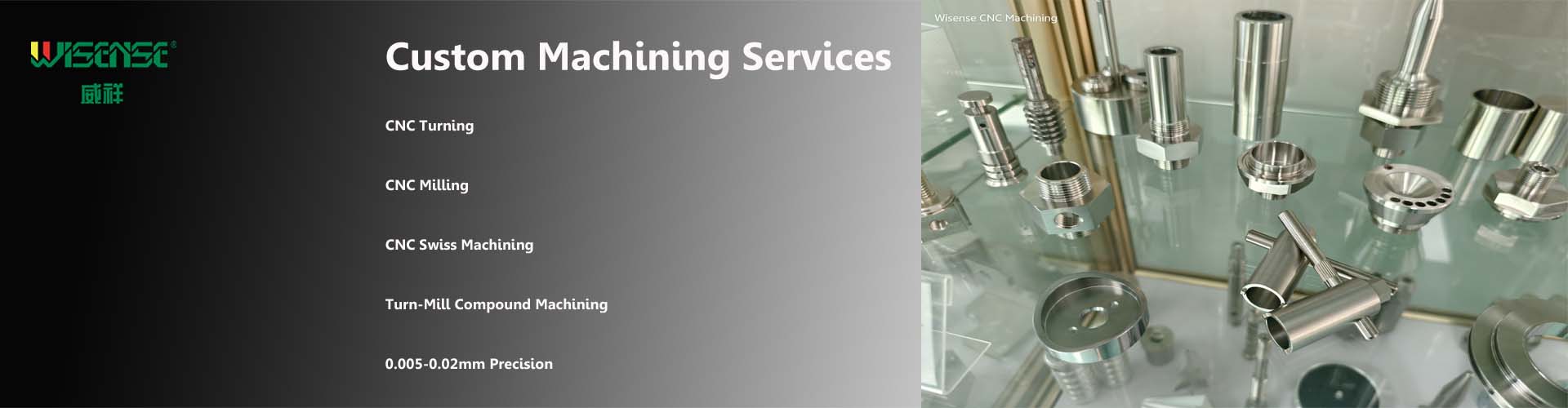
When machinability is a higher priority than corrosion resistance, 303 stainless steel remains an outstanding choice.
Use Cases for 304 Stainless Steel
304 stainless steel, on the other hand, is celebrated for its excellent corrosion resistance, making it highly versatile across various industries. Its durability and ability to withstand harsh environments set it apart, especially in applications where hygiene or environmental exposure is a concern.
Here are some industries where 304 stainless steel is widely used:
- Food and Beverage: Ideal for kitchen equipment, storage tanks, and piping systems due to its resistance to chemical exposure and ease of cleaning.
- Marine Applications: Essential for underwater or coastal environments where high salinity would corrode other metals.
- Pharmaceutical and Medical Fields: Frequently used in surgical instruments, implants, and cleanroom environments because of its hygienic properties.
- Construction: Found in cladding, handrails, and other architectural features that need to withstand environmental exposure.
If you work in sectors such as food or marine industries, 304 stainless steel’s superior corrosion resistance makes it indispensable.
Choosing between 303 and 304 stainless steel ultimately depends on the unique requirements of your project. Whether you need the machinability of 303 or the corrosion resistance of 304, each material brings specific advantages that cater to a variety of industrial needs.
Choosing Between 303 Stainless Steel vs 304
When evaluating materials for industrial applications, understanding the distinctions between 303 and 304 stainless steel is crucial. While both belong to the austenitic family and boast excellent durability, their different compositions cater to unique needs. This section will walk you through the key points to consider when choosing between these two popular grades.
303 Stainless Steel vs 304 Corrosion Resistance
Corrosion resistance plays a significant role when deciding between these grades. While both materials owe their rust-resistant properties to chromium, the difference in their composition impacts performance:
- 303 Stainless Steel: Its composition includes sulfur to improve machinability, but this addition slightly reduces its ability to resist corrosion.
- 304 Stainless Steel: Known for superior corrosion resistance, it outperforms 303 in environments with high humidity, salinity, or chemical exposure.
For environments featuring frequent exposure to corrosive agents like saltwater or chemicals, 304 stainless steel makes a better choice.
303 Stainless Steel vs 304 Machinability
Machinability is where 303 truly excels. Thanks to its added sulfur content, this grade is optimized for machining operations, making it ideal for components requiring intricate shaping or cutting.
- 303 Stainless Steel: Considered one of the most machinable austenitic stainless steels. Its properties save time and effort during CNC machining processes.
- 304 Stainless Steel: While still machinable, it demands sharper tools and higher maintenance compared to 303, which can slow down production.
If machinability is a key consideration for your project, 303 stainless steel will likely save time and labor resources.
303 Stainless Steel vs 304 Weldability
Welding stainless steel requires special considerations, and the performance of these two grades in this respect differs significantly:
- 303 Stainless Steel: Its sulfur-enhanced machinability hinders its ability to weld effectively, often leading to weak weld zones.
- 304 Stainless Steel: Provides excellent weldability, making it suitable for applications requiring strong, reliable welds.
If your project includes welded components, 304 stainless steel is the safer and more effective choice.
303 Stainless Steel vs 304 Cost Considerations
Cost often influences material selection, particularly for high-volume projects requiring extensive work.
- 303 Stainless Steel: Generally more expensive due to its machinability-enhancing additives but can save labor costs in machining-intensive projects.
- 304 Stainless Steel: Typically less costly upfront, though the added machining time may offset savings.
Understanding the cost-efficiency of each grade is key to making the right choice for your application.
303 Stainless Steel vs 304 Practical Applications
Choosing between 303 and 304 stainless steel largely depends on the specific application:
- 303 Stainless Steel: Ideal for precision-engineered parts such as fasteners, connectors, and components requiring easy machining.
- 304 Stainless Steel: Favored for applications in corrosive environments such as food processing, marine components, or architectural fixtures.
303 Stainless Steel vs 304 Summary Table: Key Properties
Here’s a quick side-by-side comparison:
| Characteristic | 303 Stainless Steel | 304 Stainless Steel |
| Machinability | Superior | Good |
| Corrosion Resistance | Moderate | Excellent |
| Weldability | Limited | Excellent |
| Cost | Higher due to machinability | Lower upfront |
By understanding your project’s requirements, you can make an informed decision between 303 and 304 stainless steel. Both bring different strengths to the table, but their unique properties make them best suited for distinct applications.
Wisense’s Expertise in Stainless Steel Machining
When it comes to precision, efficiency, and quality in stainless steel machining, Wisense stands out as a leader. Leveraging advanced technology and years of expertise, Wisense specializes in handling challenging materials like 303 and 304 stainless steel, especially for machining 316. Each project is approached with meticulous attention to detail, ensuring that the finished components meet or exceed industry standards. Here’s a look at how Wisense’s capabilities make us a trusted partner for machining stainless steel.
Advanced Equipment for Accurate Results
At Wisense, state-of-the-art machinery enables the team to achieve exceptional precision, whether working with the free-machining properties of 303 stainless steel or the robust corrosion resistance of 304. Tools such as CNC lathes and Swiss turning machines allow for high levels of repeatability and accuracy. This ensures every component is manufactured to exact specifications, regardless of complexity.
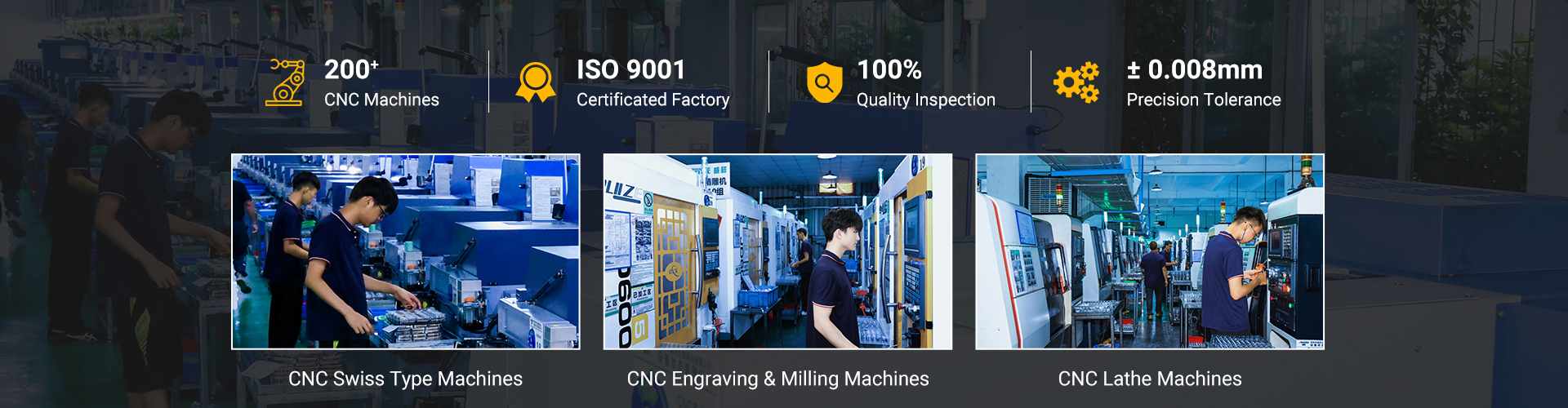
- CNC Lathes: Ideal for shaping stainless steel, offering precision and efficiency.
- CNC Milling: Good for making holes, threads, multiple faces complex structure parts precision milling.
- Swiss Machining: Perfect for smaller, intricate parts with tight tolerances.
For more on the capabilities of CNC Swiss machining, check out CNC Swiss Machining Services.
Tailored Solutions for 303 and 304 Stainless Steel
Machining stainless steel requires an understanding of its unique properties. Wisense has mastered the nuances of working with both 303 and 304 grades:
- 303 Stainless Steel: Known for its excellent machinability due to sulfur inclusion, Wisense ensures clean cuts and reduced tool wear during production.
- 304 Stainless Steel: Preferred for its corrosion resistance, 304 poses challenges during machining; Wisense utilizes advanced techniques to maintain quality without compromising efficiency.
The ability to adapt machining strategies based on the material ensures cost-effective solutions for any stainless steel project.
Consistency and Quality Assurance
Wisense’s commitment to quality spans the entire machining process. From material selection to final inspection, every step is guided by stringent quality control measures. This ensures components not only meet but often surpass client expectations. With more than ten years machining experience, Wisense becomes an expert in CNC machining fluid system components. And offer top-notch hard material metal machining services to the world.
Key aspects of our quality assurance program include:
- Precision Measurement Tools: Ensuring every part aligns with specifications.
- Material Verification: Guaranteeing the right grade of stainless steel for each job.
- Surface Finishing Expertise: Delivering polished, ready-to-use components.
To learn more about customizing your stainless steel machining project, read about metal machining services.
Expertise Across Industries
Wisense serves a variety of industries, meeting diverse requirements with tailored solutions. Whether producing precision parts for the aerospace sector or corrosion-resistant components for the food industry, we have a proven track record of success. Our expertise with stainless steel expands across:
- Aerospace: High-performance fasteners and fittings.
- Medical: Corrosion-resistant surgical instruments and components.
- Automotive: Durable, lightweight parts for increased efficiency.
By partnering with Wisense, you benefit from deep industry knowledge and advanced capabilities. To better understand how stainless steel machining can enhance your project’s outcomes, explore stainless steel CNC machining services.
Wisense not only excels in processing stainless steel but also ensures the material’s properties are preserved to provide long-lasting results. By aligning our technical expertise with customer needs, we deliver CNC machined parts that perform exceptionally well in real-world applications.
Conclusion
Choosing between 303 stainless steel and 304 stainless steel comes down to the specific requirements of your project. While 303 stands out for its machinability, making it ideal for intricate CNC-machined parts, 304 offers superior corrosion resistance and is better suited for applications in harsh or hygienic environments.
Understanding these key differences can help you make an informed decision that optimizes both performance and cost. For projects where precision machining is critical, Wisense provides expert stainless steel machining services that cater to both material grades.
Selecting the right stainless steel ensures your components meet demands while maintaining efficiency, quality, and durability.
