
Aluminum is one of the most versatile materials in manufacturing, making it a favorite for machinists and purchasing managers alike. But getting the best results out of milling aluminum takes a mix of the right techniques, tools, and insights. Whether you’re dealing with small, precise parts or larger components, knowing how to approach aluminum can save time, reduce costs, and improve the final product. In this article, you will find the best feeds and speeds for milling aluminum.

Understanding Aluminum Types and Their Properties
When it comes to CNC milling, selecting the right aluminum alloy is critical to achieving optimal performance and superior quality. Each type of aluminum alloy has unique properties that make it suitable for specific applications. Let’s break this down and consider how both the type of aluminum and its material properties impact your CNC aluminum milling outcomes.
Key Types of Aluminum Alloys for CNC Milling
Aluminum alloys are popular in CNC machining due to their combination of strength, light weight, and corrosion resistance. However, not all grades are created equal. Here’s a look at some of the most commonly milled types:
- 3003 Aluminum: This is a non-heat-treatable alloy with excellent corrosion resistance and workability. It’s highly malleable, making it perfect for applications requiring bending or forming. It’s often used in chemical equipment and roofing, but its softness typically limits its application in precision components.
- 6061 Aluminum: A versatile and widely-used alloy, 6061 strikes a balance between strength, corrosion resistance, and machinability. Thanks to its heat-treatable properties, it’s frequently chosen for structural applications, aerospace parts, and automotive components. Machinists appreciate its easy chip production and reduced tool wear during milling.
- 7075 Aluminum: If strength is a priority, this alloy is a go-to choice. Often used in aerospace and automotive applications, 7075 offers outstanding strength-to-weight ratio along with good machinability. However, it can be more expensive and slightly less corrosion-resistant than 6061.
For more information on selecting the best aluminum CNC services for your projects, check out this comprehensive guide to aluminum machining.
Material Properties That Affect Milling Performance
Understanding how aluminum’s material properties influence CNC milling is essential for enhancing precision and efficiency. Let’s dive into the factors that matter most:
- Malleability: Malleable grades, such as 3003, allow for easier shaping and machining. However, their softness can result in increased material buildup on the cutting tool, affecting surface finish.
- Corrosion Resistance: Alloys like 6061 and 3003 excel in environments prone to moisture and harsh conditions. For components exposed to the elements, choosing an aluminum grade with high resistance to corrosion ensures longer performance and reliability.
- Thermal Conductivity: Aluminum dissipates heat effectively, making it ideal for industries requiring thermal management. However, high conductivity can also mean more heat transfer to the cutting tool, potentially affecting cutting speed and tool life.
- What About Strength?: High-strength alloys, like 7075, may bring challenges in terms of setup rigidity and cutting tool durability due to their hardness. But they shine when durability and load-bearing capacity are non-negotiable.
For machinists aiming to optimize their processes, considering these material properties will help balance speed, precision, and tooling costs. You can also learn more about the machining services of metals, including aluminum, in this guide to custom precision metal machining.
In the end, tailoring your aluminum material choice to the application—whether it’s aerospace, automotive, or structural—is key to maximizing results.
Optimizing Feeds and Speeds for Milling Aluminum
When it comes to aluminum milling, achieving the right balance of feeds and speeds is critical for accuracy, efficiency, and overall quality. These variables determine how quickly the cutter moves through the material and how fast the spindle rotates. Proper optimization ensures a smooth workload, minimizes tool wear, and delivers the finest surface finish. Whether you’re fine-tuning a CNC program or troubleshooting issues, understanding these nuances is key.
Factors Influencing Feed and Speed Settings
Several factors play a role in determining the optimal feeds and speeds for aluminum milling and aluminum machining. Each variable directly impacts the machining process and results, so it’s crucial to evaluate these aspects carefully:
- Material Hardness: Different aluminum alloys have varying levels of hardness, affecting how they interact with cutting tools. Softer alloys may allow for faster cutting speeds, while harder grades like 7075 require adjustments to prevent tool damage.
- Tooling Selection: The type of cutting tool—its geometry, coating, and material—can make or break your operation. For aluminum, using sharp, high-helix end mills and carbide tools is highly recommended due to their optimal performance with softer materials.
- Machine Capabilities: CNC machines vary widely in rigidity and power. A high-performance machine often allows for faster speeds and feeds, while less rigid setups may need more conservative parameters to avoid chatter or inaccuracies.
For those looking to dig deeper into machine capabilities and their impact on milling outcomes, you can learn more in this overview of CNC machining processes.
Best Feeds and Speeds for Milling Aluminum
Below are general starting points for milling aluminum with a carbide end mill. Adjust based on your specific setup.
Spindle Speed (RPM):
- Roughing: 10,000–18,000 RPM (for smaller tools, e.g., 1/4″ end mill).
- Finishing: 15,000–25,000 RPM (for smaller tools).
For larger tools, reduce RPM proportionally. Use the formula:RPM=SFM×3.82 / Tool Diameter (in inches)
- SFM (Surface Feet per Minute) for aluminum: 500–1,200 SFM (higher for softer alloys, lower for harder alloys).
Feed Rate (IPM):
- Roughing: 50–150 IPM (inches per minute).
- Finishing: 20–80 IPM.
Use the formula:Feed Rate (IPM)=RPM×Chip Load (IPT)×Number of Flutes
- Chip Load (IPT): 0.003–0.010 inches per tooth (IPT) for roughing, 0.001–0.005 IPT for finishing.
Depth of Cut (DOC):
- Roughing: 0.050–0.200 inches (axial) and 50–75% of tool diameter (radial).
- Finishing: 0.005–0.020 inches (axial) and 10–20% of tool diameter (radial).
Example Calculation for Aluminum Milling Speed
To find the best milling speed for aluminum, let’s take an example for better understanding. For a 1/4″ (0.25″) 2-flute carbide end mill milling 6061 aluminum:
- SFM: 800 (mid-range for aluminum).
- RPM: 800×3.82/0.25=12,224 RPM.
- Chip Load: 0.005 IPT (for roughing).
- Feed Rate: 12,224×0.005×2=122 IPM.
- Depth of Cut: 0.100″ axial, 50% radial (0.125″).
Best Practices for Troubleshooting Common Issues
Even with ideal settings, challenges can arise during aluminum milling. Here’s how to address some of the most common problems:
- Chatter: This vibration not only generates noise but leads to uneven surfaces and potential tool damage. To reduce chatter, try decreasing the feed rate or increasing spindle speed. Ensure the workpiece and cutting tool are securely clamped, and always opt for sharp, high-quality tools.
- Poor Surface Finish: Unsatisfactory finishes may result from improper tool selection, incorrect feed/speed ratios, or worn-out tools. Check your tool for wear and adjust parameters accordingly. Adding a coolant, such as mist or flood, also helps dissipate heat and promote better finishes.
- Thermal Stress: Aluminum’s high thermal conductivity can transfer excessive heat to cutting tools, causing wear or even work hardening of the material. Using proper coolants and selecting tools with a titanium nitride coating can extend tool life and minimize thermal stress.
For more insights on adjusting machining parameters across different metals, this guide on machining titanium offers valuable comparative insights applicable to aluminum.
Achieving the perfect feed and speed requires a balance of attention to detail and practical adjustments. With careful planning and by keeping these tips in mind, you’ll be one step closer to mastering aluminum milling.
Selecting the Right End Mills for Aluminum CNC Milling
Choosing the right end mills is essential to maximize the efficiency and precision of aluminum CNC milling. Poor tool selection can lead to issues like chip build-up, poor surface finish, and even tool breakage. This section dives into two critical aspects: the geometry of the tools and their coatings, which can make a significant difference in outcomes.
Tool Geometry Considerations
Tool geometry is a make-or-break factor when working with aluminum. Without the right design, even the most sophisticated CNC machine will struggle to deliver clean and precise cuts. So, what should you prioritize?
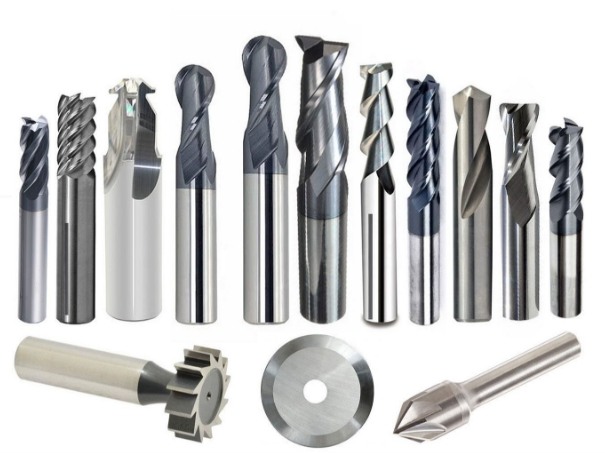
- High Helix Angles: End mills with higher helix angles, typically above 35 degrees, excel in aluminum milling. They ensure smoother cuts and more efficient chip evacuation. This is important because aluminum tends to produce long, stringy chips that can clog the cutter.
- Polished Flutes: When working with aluminum, polished flutes are a game-changer. Their smooth surfaces reduce friction, preventing material from sticking to the tool. Polishing also contributes to better chip flow, which keeps your cutting path clear and minimizes downtime for chip removal.
- Flute Count: For aluminum, 2-flute or 3-flute end mills are optimal. These configurations provide ample space for chip evacuation while maintaining the tool’s strength. Using tools with more flutes may lead to clogging, which reduces efficiency and increases heat.
Recommended Coatings for Aluminum Milling Tools
The coating on your end mill is just as important as its geometry. Aluminum’s sticky nature means that chip build-up, or “tool welding,” is a common challenge, but the right coating can alleviate this issue.
- Diamond-Like Carbon (DLC) Coatings: DLC coatings are engineered for high-performance milling aluminum. They offer excellent non-stick properties, drastically reducing the chances of chips adhering to the tool. Lower material adhesion means longer tool life and better surface finishes.
- Titanium Diboride (TiB2) Coatings: TiB2 is another popular choice for aluminum milling. Its slick, non-stick properties help maintain smooth operations, especially during high-speed machining. Unlike uncoated tools, TiB2-coated ones resist the sticky tendencies of aluminum while also enduring higher temperatures.
Both of these coatings enhance tool durability and reduce downtime caused by cleaning or tool replacement.
Optimal tooling is the cornerstone of aluminum CNC milling success. By focusing on geometry and coatings tailored to aluminum’s properties, you’re setting the foundation for consistent, high-quality results without unnecessary wear and tear on your tools.
The Role of Coolants and Lubricants in Aluminum Milling
When it comes to the right milling speed for aluminum milling, selecting the right coolant or lubricant is vital for maintaining part integrity, improving tool life, and ensuring optimal surface finishes. Coolants and lubricants not only minimize heat generation during machining but also aid in chip evacuation and reduce the risk of tool wear. By integrating proper coolant solutions, you ensure smooth operation and prevent costly downtime caused by tool breakages or poor material finish.
Choosing Between Flood Coolant and Mist Systems
Both flood coolant and mist systems are popular in aluminum milling, but each has its strengths depending on the machining scenario. Choosing the right option can streamline your process, lower operational costs, and enhance the finish quality of machined parts.
- Flood Coolants: Flood coolant systems deliver a high volume of coolant directly to the cutting zone. This approach is excellent for full-scale production or heavy-duty machining of aluminum parts. The increased coolant volume helps manage heat effectively, prolonging tool life and improving dimensional accuracy. Flood systems are often the preferred choice where excessive heat might compromise material integrity.
- Mist Systems: Mist systems, on the other hand, use a fine spray of coolant combined with compressed air to reduce friction and evacuate chips. These systems are more eco-friendly and require less coolant, making them ideal for smaller operations or machines with limited fluid capacity. Mist systems are particularly popular in high-speed aluminum milling, where their efficiency prevents chip build-up and minimizes material adhesion.
To determine which system fits your needs, consider the scale of operations, environmental regulations, and cost constraints. For more insights into other machining techniques, such as precise metal machining, you can explore this guide on stainless steel machining properties.
Environmental and Cost Considerations
Coolant selection isn’t just about machining performance; the environment and your budget also play a role. Sustainable coolant options are increasingly important as businesses strive to reduce their carbon footprint and minimize waste. Additionally, the right coolant can help you avoid unnecessary expenditure over time.
Here’s what to consider:
- Eco-Friendly Coolants: When possible, prioritize biodegradable or low-toxicity coolants to minimize environmental damage. Advanced formulations reduce harmful volatile organic compounds (VOCs) while maintaining excellent heat dissipation and lubrication properties.
- Cost Efficiency: Coolant systems come with initial set-up costs, but selecting a durable, long-lasting coolant will save money in the long run by lowering tool wear and reducing coolant replacement frequency.
- Maintenance and Disposal: Remember, some coolants require special treatment for disposal to meet local environmental regulations. Choose options that balance performance with compliance to save later costs and avoid legal complications.
With the proper implementation of coolant and lubricant systems, aluminum milling becomes more efficient, reliable, and environmentally sustainable.
Leveraging Professional Aluminum Milling Services
When tackling aluminum milling, many machinists and purchasing managers find that outsourcing can be a game-changer. By enlisting professional CNC machining services, you can optimize production while ensuring quality standards are met. Let’s delve deeper into the advantages and what to consider when choosing the right provider.
Advantages of Outsourcing Aluminum Milling Tasks
Outsourcing aluminum milling tasks to a specialized provider offers undeniable benefits. Here’s how it helps elevate your operations:
- Access to Advanced Machinery: Machining providers use state-of-the-art equipment to achieve unparalleled precision and efficiency. For example, 5-axis CNC machines make complex cuts seamless, helping maintain tight tolerances vital for aerospace and medical components.
- Expert Operators: Professional machining services come with experienced operators who know the intricacies of aluminum alloys. Expert teams are well-versed in issues like chip evacuation, thermal conductivity, and achieving optimal surface finishes.
- Faster Turnaround Times: Outsourcing eliminates bottlenecks in your production workflow. Highly efficient CNC machining shops provide quick lead times without compromising on quality, keeping your projects on schedule.
- Cost-Effectiveness: By outsourcing, you avoid investing in expensive machinery, labor training, and maintenance. Service providers take on these overheads, delivering cost-effective solutions.
Beyond the technical expertise and economical benefits, outsourcing allows you to focus resources on meeting customer expectations or other growth initiatives. For those interested, checking out Wisense’s aluminum machining services can provide more insight into how professional outsourcing can streamline operations.
Considerations for Partnering With a CNC Machining Provider
Choosing the right milling aluminum CNC partner is as crucial as the machining process itself. But what should you prioritize? Here are the essentials:
- Reputation and Experience: Always assess the provider’s credibility and industry track record. Providers like Wisense Machining, recognized for their precision and consistency, align well with your production goals.
- Range of Services: Does the company provide comprehensive machining capabilities, such as CNC milling, turning, and Swiss machining? A provider with diverse capabilities can handle varying project complexities. For more, you can review their CNC turning services, showcasing versatility in aluminum projects.
- Quality Control Measures: End product quality should meet or exceed your specifications. Confirm whether the provider uses in-process inspections and post-production quality assurance.
- Customer Support and Communication: Reliable customer service ensures clarity, timely updates, and quick resolutions for any issues. Having a direct line of communication will save time and avoid misunderstandings.
- Scalability: If you anticipate increased production volumes, ensure the provider can scale operations without sacrificing lead time or quality control.
Finally, be mindful of the provider’s location and shipping capabilities to avoid unnecessary logistical challenges. For quick-turn prototypes to high-volume production, Wisense’s CNC machining services are an invaluable resource in today’s fast-paced manufacturing environment.
By thoughtfully selecting a partner, you unlock more than just parts—you gain a reliable manufacturing ally. Taking these factors into account ensures you get a tailored machining service that meets your project’s needs effectively.
Conclusion
Mastering aluminum milling takes a mix of understanding material properties, optimizing feeds and speeds, selecting the right end mills, and using efficient coolant systems. By applying these best practices, both machinists and purchasing managers can achieve precision, cost-efficiency, and improved production outcomes.
If you’re looking for expert guidance or professional support, Wisense’s machining services are designed to meet your aluminum milling needs with precision and reliability. Learn more about the differences between CNC turning and milling to further enhance your manufacturing process.
Take your aluminum projects to the next level—apply these tips today and see the results for yourself.
