
Choosing the right material can make or break a project, especially when deciding between carbon steel and stainless steel. Both carbon steel vs stainless steel play a crucial role in industries like construction, manufacturing, and machining, but their differences in properties, durability, and applications are significant. While carbon steel offers strength and affordability, stainless steel adds corrosion resistance and a polished finish. If you’re unsure which suits your needs, understanding these differences is essential. To dive deeper into working with stainless steel, check out Machining Stainless Steel. This link will guide you toward maximizing the potential of these materials.

- Overview of Carbon Steel VS Stainless Steel
- Carbon Steel vs Stainless Steel: Comparing Mechanical Properties
- Carbon Steel vs Stainless Steel: Applications and Use Cases
- Carbon Steel vs Stainless Steel: Cost Considerations
- Stainless Steel vs Carbon Steel: Environmental Impact of Both Metals
- Choosing Carbon or Stainless Steel? Conclusion
Overview of Carbon Steel VS Stainless Steel
When comparing carbon steel vs stainless steel, their distinct properties and applications make them essential in different industries. Whether you’re working on construction, tools, or precision machining, understanding what sets them apart will help you choose the right material. Both metals hold their unique place in manufacturing, and deciding between them depends on your project’s specific needs.

What is Carbon Steel?
Carbon steel gets its primary strength from its carbon content, which varies across low, medium, and high-carbon types:
- Low Carbon Steel: Contains less than 0.3% carbon, making it ductile and easy to weld. It’s widely used in applications like structural components and automotive panels due to its affordability and straightforward machining.
- Medium Carbon Steel: With a carbon percentage between 0.3% and 0.6%, this type is stronger and harder than low carbon steel but slightly less ductile. It’s common in gears and axles where balanced strength and toughness are needed.
- High Carbon Steel: Contains over 0.6% carbon, delivering exceptional hardness but reduced ductility. It’s perfect for cutting tools and springs due to its strength and wear resistance.
Carbon steel is valued for its cost-effectiveness and durability but lacks corrosion resistance compared to stainless steel. For those exploring machining applications, our CNC Swiss Machining Services provide precise and reliable solutions for carbon steel components.
What is Stainless Steel?
Stainless steel stands out for its corrosion resistance, thanks to the addition of at least 10.5% chromium. This chromium content forms a protective oxide layer, preventing rust and enhancing its durability in harsh environments.
Stainless steel also boasts high tensile strength, a sleek aesthetic, and resistance to extreme temperatures, making it ideal for industries such as aerospace, medical, and food processing. Its non-porous surface ensures cleanliness and hygiene, setting it apart for applications like cutlery and surgical instruments.
If you’re interested in learning more about machining this versatile material, check out our in-depth guide: How to CNC Machine Stainless Steel.
By understanding the compositions and properties of carbon steel vs stainless steel, or carbon vs stainless steel, you can make smarter decisions for your projects. Each offers unique advantages, and the one you choose will largely depend on the application and operational demands.
Carbon Steel vs Stainless Steel: Comparing Mechanical Properties
When deciding between stainless vs carbon steel, it’s important to understand how their mechanical properties influence performance and longevity. Strength, corrosion resistance, and machinability are just a few factors that determine where each material excels. Here’s a breakdown of these critical properties to guide your decision.
Strength and Durability
Stainless steel vs carbon steel differ greatly in their strength and durability. Carbon steel generally has higher tensile strength, especially at the high-carbon level, making it ideal for load-bearing applications like structural components, tools, and bridges. Its strength primarily comes from its carbon content, which can be adjusted based on the application.
Stainless steel, while not as inherently strong, holds its own with exceptional resistance to wear and deformation when alloyed with elements like nickel and molybdenum. Additionally, it provides uniform strength across a wide temperature range, especially in environments that demand scalability and reliability.
Corrosion Resistance
One of the standout qualities of stainless steel is its unparalleled corrosion resistance. This is due to its chromium content, which forms an invisible but highly protective oxide layer on the surface. This layer prevents moisture and oxygen from triggering rust, making stainless steel suitable for marine, chemical, and outdoor applications.
On the other hand, carbon steel is more vulnerable to corrosion without surface treatments like coatings or galvanization. Even in low moisture conditions, carbon steel components can develop rust over time, reducing their lifespan. When environmental exposure is a concern, stainless steel offers an advantage that’s hard to match.
Ease of Machining
The machinability of stainless steel vs carbon steel depends largely on the tools and techniques used. Carbon steel is easier to machine in its low-carbon form, making it a popular choice for applications requiring extensive shaping or cutting. High-carbon steel, however, can be challenging to work with due to its hardness.
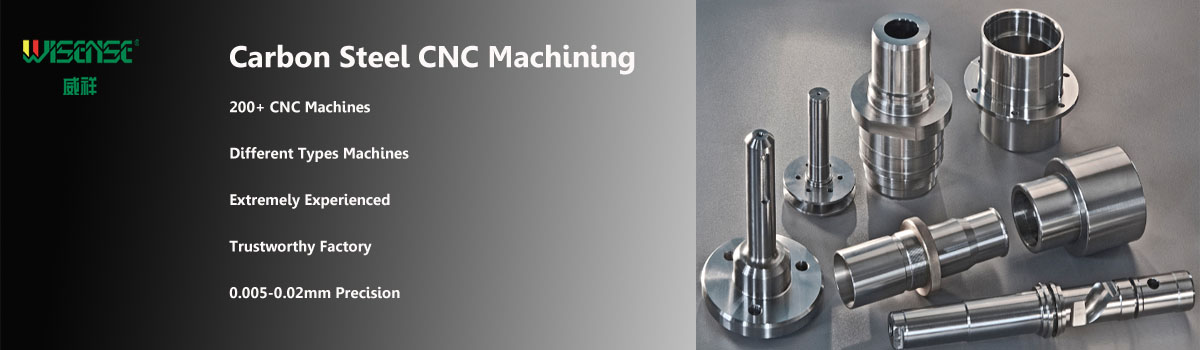
Stainless steel, while versatile, requires specialized techniques, especially in CNC machining, to overcome its toughness and potential for work hardening. Precision, proper tooling, and lubrication are key to achieving optimal results. Wisense has the great expertise in machining both stainless steel and carbon steel. We are a leading machining company from China providing carbon steel machining services and other metals machining.
By weighing these mechanical properties, you can determine whether carbon steel or stainless steel aligns better with your project’s demands. Each offers unique benefits suited to different applications, ensuring there’s always a right fit for every need.
Carbon Steel vs Stainless Steel: Applications and Use Cases
When it comes to choosing between carbon steel vs stainless steel, understanding their applications across various industries is essential. Each metal serves unique purposes, thanks to its physical and chemical properties. Let’s explore where these materials are commonly used and their significant impact on different sectors.
Industrial Applications of Carbon Steel
Carbon steel is a cornerstone in many industries due to its combination of strength, affordability, and versatility. Its ability to withstand heavy loads without breaking the bank makes it an attractive choice for projects where durability is key. Here are some real-world examples of how carbon steel plays a role in industrial applications:
- Construction Industry: Carbon steel is a staple for creating structural frameworks in buildings, bridges, and pipelines. Its high tensile strength ensures safety and durability for integral components like beams and reinforcements.
- Automotive Sector: From car chassis to engine components, carbon steel offers the necessary toughness and precision. Its use in crankshafts and axles highlights its capacity for performance under stress.
- Manufacturing Equipment: Machines and tools often utilize carbon steel due to its formability and lasting strength. From gears to cutting tools, it’s a go-to material for heavy-duty operations.
For businesses looking to machine precise carbon steel components, our machining services ensure quality craftsmanship tailored to your needs.
Industrial Applications of Stainless Steel
Stainless steel, with its resistance to corrosion and sleek finish, dominates industries where hygiene, aesthetics, and durability are non-negotiable. Its unique blend of strength and beauty makes it indispensable in various environments. Let’s break down some of the most prominent use cases:
- Medical Field: Stainless steel is trusted for surgical instruments, implants, and medical devices where cleanliness and strength are critical. Its non-reactive surface ensures compatibility with sterilized environments.
- Kitchenware and Appliances: From cutlery to sinks, stainless steel remains a favorite for its ease of cleaning and resistance to rust. It’s also used in applications like cookware and food-grade processing equipment.
- Architecture and Design: Stainless steel lends a modern, polished look to buildings, furniture, and decorative elements. Its resilience to harsh weather makes it a solid choice for outdoor sculptures, railings, and façades.
If precision matters, stainless steel CNC machining services offer reliable solutions for customized parts in any of these industries.
Understanding how carbon steel and stainless steel excel in different applications can make material selection more straightforward. Knowing these use cases ensures the right fit for your industry and project demands while maximizing material performance.
Carbon Steel vs Stainless Steel: Cost Considerations
When choosing between carbon steel and stainless steel, cost is often a deciding factor. Beyond upfront expenses, you also need to account for maintenance, longevity, and how these impact overall costs in the long run. Here’s a closer look at how these materials compare in real-world applications.
Initial Costs: Upfront Affordability
If you’re working on a budget, carbon steel has an undeniable edge. Its simplicity in composition keeps production costs low, making it one of the most affordable metals on the market. This makes it a go-to material for large-scale projects where cost efficiency is crucial.
On the other hand, stainless steel comes with a higher price tag due to its chromium content and alloying elements like nickel and molybdenum. While the initial investment is steeper, the added benefits it offers, such as corrosion resistance, often justify the upfront expense for specific applications. For industries requiring precision and durability, exploring cost-effective options like Machining Material may provide further insights.
Long-Term Durability: Maintenance and Repairs
While carbon steel is affordable up front, its susceptibility to corrosion can lead to additional costs down the line. Without protective coatings or treatments, it rusts over time, requiring regular maintenance or even part replacements. This could contribute significantly to the total cost of ownership, especially in environments exposed to moisture or chemicals.
Stainless steel outshines carbon steel in this category. Its natural corrosion resistance reduces, if not eliminates, the need for maintenance, extending its lifespan considerably. Additionally, stainless steel retains its appearance and functionality over the years, providing excellent value for its initial price.
Industry-Specific Factors: Choosing Wisely
Different industries prioritize costs and benefits differently, which directly impacts material choice:
- Construction: For structural applications, carbon steel offers affordability and adequate performance when treated to resist rust. However, stainless steel is often chosen for aesthetic or highly corrosive environments, where durability outweighs the costs.
- Food and Medical Sectors: Stainless steel is standard thanks to its hygienic properties and low maintenance, making it essential for these fields despite the higher initial expense.
- Heavy Manufacturing: In applications like tools and machinery, carbon steel remains popular for its low cost and machinability, balancing performance and budget requirements.
Understanding the balance between upfront costs and long-term savings is crucial when deciding between carbon steel and stainless steel. By factoring in maintenance, expected lifespan, and application requirements, you can assess the true cost-effectiveness of these metals for your specific needs.
Stainless Steel vs Carbon Steel: Environmental Impact of Both Metals
When considering carbon steel vs stainless steel, their impact on the environment often becomes a deciding factor in modern applications. Businesses and manufacturers are increasingly prioritizing materials that align with sustainability goals and reduce the ecological footprint. By examining their recyclability and overall life cycle, we can uncover key insights into why both metals remain highly valuable in eco-conscious industries.
Recyclability and Sustainability
Both carbon steel and stainless steel are notable for their impressive recyclability, making them highly sustainable options. Here’s what sets them apart:
Recycling Rates and Life Cycle
- Carbon Steel: This material is one of the most recycled metals in the world, often boasting a recycling rate of more than 70%. Whether it’s used in construction or automotive components, steel can be melted down, reprocessed, and reused without degrading its quality. Its straightforward composition also makes the recycling process energy-efficient, reducing waste in landfills.
- Stainless Steel: Like carbon steel, stainless steel offers a near-infinite lifecycle. It is 100% recyclable and retains its properties after reprocessing. The chromium and nickel content, which give it corrosion resistance, can also be recovered during recycling, further emphasizing its eco-friendliness. These features make stainless steel a top choice in green initiatives such as sustainable architecture and renewable energy sectors.
Environmentally Friendly Features
The environmental benefits of both materials don’t stop at recycling. Here’s what contributes to their eco-friendly nature:
- Durability: Both stainless steel and carbon steel exhibit long lifespans, reducing the frequency of replacements and, by extension, the need for new raw materials. Stainless steel’s corrosion resistance often gives it an edge in environments where longevity is critical.
- Energy Efficiency: The production and recycling processes for both metals have become more energy-efficient with advancements in technology. For instance, modern machinery, like those used in Aluminum Machining Services, has demonstrated significant reductions in energy usage during production.
As companies seek to minimize their environmental impact, the recyclability and sustainability of carbon steel and stainless steel remain proven advantages in choosing materials that align with eco-conscious practices. This combination of durability and environmental benefits positions both metals as top contenders for widespread industrial applications.
Choosing Carbon or Stainless Steel? Conclusion
Choosing the right material between carbon steel and stainless steel depends heavily on your project’s specific needs and priorities. Carbon steel excels in strength and affordability, making it ideal for budget-conscious, high-load applications. Stainless steel, with its unmatched corrosion resistance and aesthetic appeal, is perfect for environments demanding durability and hygiene.
Carefully assess factors like strength, corrosion resistance, cost, and application demands before making a decision. The right choice not only improves performance but also minimizes long-term costs. If you’re ready to explore machining solutions for either material, check out our CNC machining services for precision and quality that meet your unique requirements.
Whether you’re focused on durability, cost-effectiveness, or aesthetic appeal, making an informed choice ensures the success of your project. Visit our CNC Machining Blog for more expert insights and practical solutions tailored to your industry.
