
Choosing the right aluminum alloy can make or break your project’s success. Industries like aerospace, automotive, and manufacturing rely on high-performance materials to meet precise requirements. Among the most popular options, 7075 vs 6061 aluminum stand out for their unique properties and versatility. But how do they compare, and which one is better for your specific needs? Exploring factors like strength, corrosion resistance, and machinability is key. If you’re looking for insights on machining aluminum alloys, check out this guide on Aluminum Machining to better understand the techniques and services available.
What is 7075 Aluminum?
7075 aluminum is famous for its impressive strength and durability. This high-strength alloy is predominantly composed of zinc, complemented by other elements like magnesium and copper. Its unique composition makes it one of the strongest aluminum alloys available, often comparable to certain grades of steel. However, what truly distinguishes 7075 is its lightweight nature, making it a top choice for industries requiring both strength and reduced weight. When comparing 7075 vs 6061, the 7075 alloy shines for applications where strength takes precedence, while still offering decent machinability.
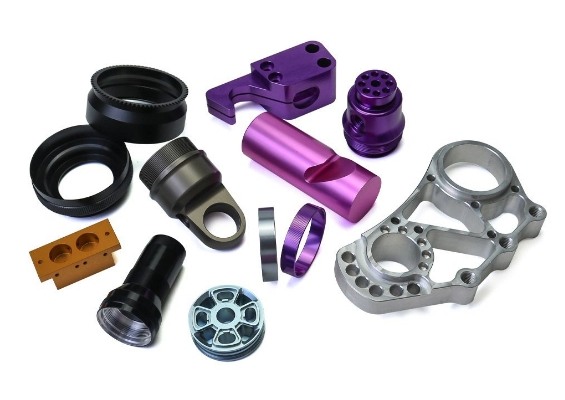
If you’re working with aluminum alloys and need precision, check out these milling aluminum tips to optimize your processes.
Mechanical Properties of 7075 Aluminum
The mechanical properties of 7075 aluminum are what make it so versatile for demanding applications. Let’s break these down:
- Tensile Strength: This alloy’s ultimate tensile strength ranges from 74,000 psi (T6 temper) up to 83,000 psi (T651 temper), providing the ability to withstand extreme loads without breaking.
- Yield Strength: With a yield strength of around 63,000–73,000 psi, it holds its form under significant stress without permanent deformation.
- Fatigue Resistance: 7075 excels under cyclic loading, making it ideal for components exposed to repetitive stress. It’s designed to last even in high-strain conditions over time.
Unlike 6061 aluminum, which offers a balance of strength and corrosion resistance, 7075 steps ahead with enhanced strength. However, its trade-offs include lower corrosion resistance and weldability.
Applications of 7075 Aluminum
7075 aluminum finds its way into specialized applications where strength and lightweight materials are paramount. Here’s a look at the industries where it outshines other alloys like 6061:
- Aerospace Industry: Airplanes demand materials that can handle massive stress while keeping the craft as light as possible. 7075 is often used in aerospace-grade structural components like wing spars and fuselage frames.
- Automotive Sector: When high-performance and safety collide, such as in race cars or performance vehicles, 7075 aluminum is a frequent choice for drive shafts, chassis components, and suspension parts.
- Sporting Equipment: 7075’s strength-to-weight ratio makes it a favorite for high-performance gear like bicycle frames, climbing equipment, and even baseball bats.
This alloy’s ability to perform under extreme conditions makes it an indispensable material in modern engineering. Curious about working with 7075 aluminum for custom machining? Wisense offers professional aluminum machining services tailored to your needs.
The versatility and reliability of 7075 aluminum keep it firmly entrenched in industries where performance is non-negotiable. For further elaboration on its applications and strengths, you can explore the detailed insights in this material data sheet.
What is 6061 Aluminum?
6061 aluminum is one of the most versatile and widely used alloys in the aluminum family. It strikes a balance between strength, corrosion resistance, and workability, making it a popular choice for a wide range of industries. Composed primarily of aluminum, magnesium, and silicon, this alloy offers excellent mechanical properties while maintaining lightweight characteristics.

6061 aluminum stands apart by offering an optimal blend of performance and cost-effectiveness. It’s often considered a go-to material for projects requiring both durability and ease of machining.
Mechanical Properties of 6061 Aluminum
The mechanical properties of 6061 aluminum make it stand out from other alloys. It is particularly valued for the following characteristics:
- Machinability: 6061 aluminum is highly machinable, making it an excellent material for precision components. You can optimize your machining processes with insights from milling aluminum tips.
- Corrosion Resistance: This alloy exhibits strong resistance to corrosion, making it suitable for outdoor and marine environments. While it doesn’t achieve the same level of corrosion resistance as alloys like 5052, it performs well in most environments.
- Thermal Conductivity: 6061 aluminum’s ability to conduct heat efficiently makes it a popular choice for heat dissipation applications like radiators and heat exchangers.
- Strength and Durability: Though not as strong as 7075 aluminum, 6061 still offers impressive tensile and yield strength. Heat treatment further enhances its mechanical properties, often supplied in the T6 temper.
If you’re wondering how 6061 compares directly to other aluminum grades for specific applications, it’s good to evaluate these properties in the context of your project’s needs.
Applications of 6061 Aluminum
6061’s excellent combination of strength, corrosion resistance, and machining versatility lends itself to countless applications across multiple industries. Highlighting a few key areas:
- Construction Industry: 6061 aluminum is widely used for structural applications, including beams, panels, and supports, thanks to its high strength-to-weight ratio. Architects and builders often turn to this alloy for projects where durability and lightweight materials are essential.
- Piping and Tubing: This alloy’s good corrosion resistance makes it ideal for water and hydraulic piping systems. It is also commonly used in marine-grade tubing applications where exposure to water is frequent.
- Automotive Sector: 6061 is a preferred material for manufacturing lightweight yet strong automotive parts. Applications include engine components, wheel spacers, and even body panels in performance vehicles.
For more insight into its applications, check out the applications of 6061 aluminum alloy for a comprehensive list of uses in various industries.
6061 aluminum is a true workhorse alloy, performing reliably in demanding settings without breaking the bank. If you’re considering 6061 aluminum for a specific purpose, understanding its strengths and limits in your desired application can make all the difference.
7075 vs 6061: A Detailed Comparison
While both 7075 and 6061 aluminum alloys are widely used in industrial and engineering applications, their properties cater to different needs. Understanding their differences allows users to choose the right alloy for their projects. Here’s a breakdown of how these two aluminum grades compare in terms of strength, corrosion resistance, cost, and machining.
Strength and Durability
When comparing 7075 vs 6061, strength is often the primary differentiator.
- 7075 Aluminum: Known for exceptional tensile strength, this alloy boasts a tensile strength of up to 83,000 psi. Its yield strength ranges between 63,000 and 73,000 psi, making it more suitable for high-stress applications like aerospace components and performance vehicles.
- 6061 Aluminum: While not as strong as 7075, 6061 has more than sufficient strength for most applications. It offers tensile strength of approximately 42,000 psi and a yield strength of around 35,000 psi. This makes it a solid choice for construction, automotive frame structures, and other applications requiring moderate strength.
If your project prioritizes high-performance under stress, 7075 aluminum is the better choice. However, 6061 provides a reliable balance of strength and workability for less demanding applications. For in-depth insights on aluminum machining, learn more about aluminum machining services available for precision CNC tasks.
Corrosion Resistance
Corrosion resistance often dictates an alloy’s long-term performance, especially in outdoor or marine environments. Here’s how the two compare:
- 6061 Aluminum: With superior corrosion resistance, 6061 is ideal for environments prone to moisture or exposure to saltwater. The addition of magnesium and silicon gives it excellent corrosion-inhibiting qualities.
- 7075 Aluminum: While extremely strong, 7075 is less resistant to environmental corrosion compared to 6061. Its high zinc content makes it more susceptible, meaning protective finishes or coatings are often necessary when used outdoors.
If the operating environment involves harsh or marine conditions, 6061 is typically the go-to option for durability.
Cost Efficiency
Budget considerations often determine which alloy makes the cut for a project.
- 6061 Aluminum: This alloy’s cost-effectiveness is one of its most appealing features. It is less expensive than 7075, making it ideal for applications where high strength is not paramount.
- 7075 Aluminum: Due to its higher performance characteristics, 7075 comes with a premium price tag. The added expense may not be justified for applications requiring only moderate strength.
For projects needing economical material without sacrificing quality, 6061 aluminum offers great value. However, in industries like aerospace or defense, where performance outweighs cost, 7075 aluminum remains a preferred option.
Ease of Machining
Both 7075 and 6061 are excellent choices for machining, but their machinability differs slightly.
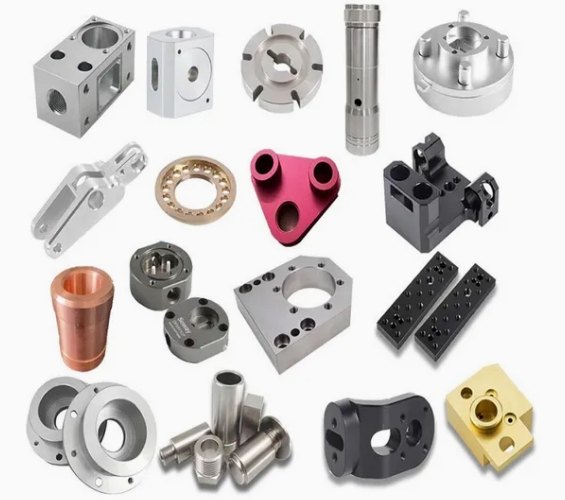
- 6061 Aluminum: Known for its workability, this alloy is easier to machine, weld, and fabricate. Its softer nature and lower strength compared to 7075 make it more forgiving during CNC machining or forming processes.
- 7075 Aluminum: While still machinable, 7075’s harder composition can be more challenging to work with. It generally requires higher-quality tooling and precise machining setups to achieve the best results.
Whether you’re working with 7075 or 6061, professional machining services can bring out the best in both alloys. For precision CNC tasks, explore this guide on aluminum machining services for detailed insights.
Each alloy serves a unique purpose in the manufacturing and engineering sectors. Whether it’s the robust strength of 7075 or the versatile ease of 6061, selecting the right material starts with understanding your specific project needs.
Here’s a detailed comparison sheet between 7075 and 6061 aluminum alloys:
| Property | 7075 Aluminum | 6061 Aluminum |
|---|---|---|
| Alloy Type | High-strength aluminum alloy (zinc as primary alloying element) | General-purpose aluminum alloy (magnesium and silicon as primary alloying elements) |
| Strength | Very high strength (one of the strongest aluminum alloys) | Moderate strength (good for general-purpose applications) |
| Tensile Strength | 83,000 psi (572 MPa) – T6 temper | 45,000 psi (310 MPa) – T6 temper |
| Yield Strength | 73,000 psi (503 MPa) – T6 temper | 40,000 psi (276 MPa) – T6 temper |
| Hardness | Higher hardness (Brinell hardness: 150) | Lower hardness (Brinell hardness: 95) |
| Density | 2.81 g/cm³ | 2.70 g/cm³ |
| Corrosion Resistance | Lower corrosion resistance (requires protective coatings for harsh environments) | Better corrosion resistance (naturally more resistant to corrosion) |
| Weldability | Poor weldability (prone to cracking and reduced strength in welded areas) | Good weldability (commonly welded in structural applications) |
| Machinability | Good machinability (but harder to machine than 6061 due to higher strength) | Excellent machinability (easier to machine than 7075) |
| Fatigue Resistance | Excellent fatigue resistance | Good fatigue resistance |
| Thermal Conductivity | 130 W/m-K | 170 W/m-K |
| Electrical Conductivity | 33% IACS (International Annealed Copper Standard) | 43% IACS |
| Cost | More expensive (due to higher strength and specialized applications) | Less expensive (widely available and used for general purposes) |
| Common Applications | Aerospace components, military applications, high-stress structural parts | Automotive parts, bicycle frames, marine fittings, structural components |
| Formability | Lower formability (difficult to bend or shape due to high strength) | Higher formability (easier to bend and shape) |
| Heat Treatability | Heat treatable (T6 temper provides maximum strength) | Heat treatable (T6 temper improves strength and hardness) |
Summary:
- 7075 Aluminum: Best for high-stress applications where strength and fatigue resistance are critical (e.g., aerospace, military). However, it is less corrosion-resistant and harder to weld.
- 6061 Aluminum: A versatile, general-purpose alloy with good strength, weldability, and corrosion resistance. Ideal for automotive, marine, and structural applications.
Factors to Consider When Choosing Between 7075 and 6061
Selecting between 7075 and 6061 aluminum alloys requires an understanding of your project’s specific requirements. These alloys have distinct properties that make them suitable for different applications, environments, and budgets. Below, we’ll break down the considerations you should keep in mind to ensure you’re making the right choice for your project.
Application Requirements
When deciding between 7075 and 6061, it’s essential to think about where and how the material will be used. Each alloy excels in unique applications due to their respective strengths and properties:
- 7075 Aluminum: Known for its impressive strength-to-weight ratio, 7075 is ideal for industries that demand high performance. Aerospace sectors frequently rely on 7075 for structural components like fuselage frames, while its strength is also valuable in the automotive world for critical parts in race cars or high-performance vehicles. It’s a go-to option for sports equipment, including bicycle frames and rock climbing gear, where both strength and reduced weight are non-negotiable.
- 6061 Aluminum: While not as strong as 7075, 6061 offers versatility. It’s widely used in architectural projects for structural beams, vehicle chassis parts, and piping systems. Its machinability and corrosion resistance make it a favored choice for recreational equipment and general construction.
Matching your choice to the needs of your project is imperative.
Environmental Conditions
Environmental factors, like temperature fluctuations or exposure to corrosive substances, can significantly impact the performance of aluminum alloys. Let’s break it down:
- 7075 Aluminum: This alloy’s greatest strength—literally—is also its Achilles’ heel in environments prone to corrosion. The high zinc content makes 7075 more susceptible to oxidation and deterioration over time, especially in marine settings. Protective coatings or finishes are often required for outdoor use to minimize risk.
- 6061 Aluminum: If your project involves exposure to moisture, saltwater, or humid conditions, 6061 is a more suitable choice due to its superior corrosion resistance. Its magnesium and silicon components lend it a natural ability to withstand aggressive environmental conditions, making it a durable option for marine and outdoor structures.
Assessing environmental conditions upfront can save you from costly material failures in the long run.
Performance vs. Cost Analysis
Performance and cost are two sides of the same coin when choosing between 6061 and 7075. Your decision will often boil down to balancing long-term results with budget constraints:
- 7075 Aluminum: Expect to pay a premium for the remarkable strength and fatigue resistance of this alloy. Higher tooling costs and extra machining care add to the overall price, restricting 7075 to high-stakes projects where performance outweighs budget concerns. Think aerospace engineering or defense applications where failure is not an option.
- 6061 Aluminum: More cost-effective and easier to machine, 6061 provides excellent value for less demanding applications. It is also highly weldable, making it a preferred choice for custom fabrications and DIY projects. If budget is tight but quality can’t be compromised, 6061 offers a winning compromise.
The cost vs. benefit equation is vital—consider the intended lifespan and performance demands of your project before making a decision.
By understanding these factors, from project type to environmental challenges and cost-performance trade-offs, you’ll be better equipped to choose between 7075 and 6061 aluminum for your needs. Take time to weigh these considerations carefully, and your material choice will be a solid foundation for success.
7075 vs 6061 Aluminum: Frequently Asked Questions
What are the main differences between 7075 and 6061 aluminum?
7075 is stronger and more rigid but less corrosion-resistant than 6061. 6061 offers better weldability and is easier to machine, making it more versatile for many applications.
Which alloy is better for strength?
7075 aluminum is much stronger than 6061, especially in terms of tensile and yield strength. It’s often used in aerospace and military applications where strength is critical.
Is 6061 better for corrosion resistance?
Yes, 6061 has better natural corrosion resistance, especially against moisture and saltwater. It’s a better choice for outdoor or marine applications.
How do 7075 and 6061 differ in weight?
Both are lightweight compared to steel, but their weight is very similar since they’re both aluminum alloys. The primary difference lies in their strength and other properties, not weight.
Which is easier to weld, 6061 or 7075?
6061 is much easier to weld. 7075 is more prone to cracking during welding, making it unsuitable for most welded applications without special techniques.
Can both 7075 and 6061 be machined?
Yes, but 6061 is easier to machine and has better machinability overall. 7075 is harder to machine due to its strength and hardness, though it’s still workable with the right tools.
What types of industries typically use 7075 aluminum?
7075 is used in industries like aerospace, defense, and high-performance automotive or cycling due to its high strength-to-weight ratio.
When is 6061 aluminum a better choice?
6061 is ideal for applications requiring good corrosion resistance, moderate strength, and ease of machining or welding. It’s common in construction, transportation, and consumer products.
Is 7075 more expensive than 6061?
Yes, 7075 generally costs more due to its higher strength and more complex production processes. Costs can vary depending on the supplier and volume.
Which alloy is more heat treatable?
Both alloys are heat treatable, but they respond differently. 7075 achieves higher strength through heat treatment, while 6061 balances strength and corrosion resistance.
Can 7075 and 6061 be anodized?
Yes, both can be anodized for added surface protection. However, 6061 typically yields a more consistent anodized finish compared to 7075.
What’s the difference in fatigue resistance?
7075 has better fatigue resistance thanks to its strength, making it more durable under repetitive stress. However, 6061 may perform better in corrosive environments.
How do I choose between 7075 and 6061 for my project?
Evaluate your project needs. Choose 7075 for maximum strength and durability, or 6061 for corrosion resistance, weldability, and easier machining. Consider cost and environmental factors as well.
Are there other alternatives to 7075 and 6061?
Yes, other alloys like 5052 or 2024 may suit specific needs, though they’ll offer different combinations of strength, corrosion resistance, and machinability.
Can 7075 and 6061 be combined in a project?
Yes, they’re often combined when a project requires different material properties in different parts. Just ensure compatibility with your design and fabrication methods.
Conclusion
Choosing between 7075 and 6061 aluminum ultimately comes down to balancing performance needs with environmental factors and budget constraints. For applications demanding exceptional strength, such as aerospace or high-performance automotive components, 7075 aluminum is the clear choice. On the other hand, 6061 excels in versatility, machinability, and corrosion resistance, making it ideal for construction, piping, and marine environments.
Understanding these alloys’ unique properties ensures you’re selecting the right material for your project. Precision machining plays a key role in maximizing the potential of either alloy. If you’re looking for expert machining solutions, check out Wisense’s CNC turning services to bring your aluminum components to life with accuracy and efficiency.
