
1215 carbon steel machining is known for its great machinability and smooth surface finish. With its low carbon content and added sulfur, it’s a go-to choice for fast, efficient machining jobs.
In this post, you’ll get the key facts about 1215 carbon steel machining—what it is, how it performs, and why machinists prefer it for certain projects. We’ll cover the best tools to use, tips for clean cutting, and how this material stands up in high-volume production. Whether you’re new to machining or looking to improve your process, you’ll find the info you need to work with 1215 carbon steel with confidence.

- Essential Properties of 1215 Carbon Steel
- Why 1215 Carbon Steel is Highly Machinable
- Applications of CNC Machined 1215 Carbon Steel Components
- Surface Treatment for 1215 Carbon Steel CNC Machined Parts in Fluid Power Systems – By Wisense
- Best Practices and Techniques for 1215 Carbon Steel Machining
- Wisense’s Expertise in 1215 Carbon Steel Machining Services
- Conclusion
Essential Properties of 1215 Carbon Steel
1215 carbon steel stands out in machine shops for a reason. Its composition and physical traits make it a favorite for quick setups and high-volume runs. Let’s dig into what gives 1215 carbon steel its machining edge, from what’s inside the alloy to how it behaves under pressure.
Chemical Composition
The secret to 1215 carbon steel lies in its mix of ingredients. Each element plays a role, especially when it comes to 1215 carbon steel machining:
- Carbon: Low levels, around 0.09% – 0.15%. This keeps it soft and easy to cut.
- Manganese: About 0.75% – 1.05%, giving strength without making the material too hard.
- Sulfur: Roughly 0.26% – 0.35%. This is high compared to many steels, and it’s the main reason 1215 is so machinable.
- Phosphorus: Around 0.04%.
- Iron: Makes up the rest.
That extra sulfur acts like a lubricant during machining, helping tools glide and chips break off smoothly. It does lower ductility a bit, but it’s a fair trade for easy machining.
Hardness and Strength
1215 carbon steel offers a good balance between ease of cutting and durability. Here’s what you can expect:
- Brinell Hardness: Typically 160-210 HB. This puts it on the softer side compared to hardenable steels.
- Tensile Strength: Around 560 MPa (81,000 psi). Not designed for heavy-duty structural jobs, but strong enough for most turned or threaded parts.
- Yield Strength: Usually 305 MPa (44,000 psi).
This level of hardness prevents excess wear on tools. You can cut faster and keep tolerances tight. Changes in heat treatment aren’t usually needed, which saves both time and money when working with 1215 carbon steel.
Machinability and Surface Finish
Because of its composition, 1215 carbon steel machines beautifully. This is why many shops use it for:
- Automatic screw machine parts
- Bushings
- Studs
- Pins
Expect clean chips and bright finishes even at higher speeds. Parts come out of the lathe looking sharp with little post-processing required.
Other Key Properties
There’s more to 1215 than just its sulfur content and quick machining:
- Weldability: Limited, thanks to the high sulfur, which can cause hot cracking. Stick to machining—welding isn’t where it shines.
- Corrosion Resistance: Moderate. Like other low-carbon steels, it’s prone to rust, so protective coating or painting may be needed.
- Formability: Good for cutting and drilling, but less ideal for bending or forming due to brittleness from sulfur.
Key takeaway: 1215 carbon steel’s chemical makeup and mechanical properties make it a top pick for machining jobs that demand fast throughput, minimal tool wear, and reliable results. Its unique mix allows for hassle-free machining, especially when you need consistent, repeatable parts.
Why 1215 Carbon Steel is Highly Machinable
1215 carbon steel is often called a machine shop favorite because it makes fast, easy work of high-volume parts. Its unique blend of ingredients, especially the added sulfur, means 1215 stands out in the world of 1215 carbon steel machining. Let’s break down what makes this steel so simple and forgiving to cut, drill, or turn—especially compared to other popular carbon steels.
Comparison with Other Carbon Steels
When it comes to machinability, not all carbon steels are created equal. Here’s how 1215 stacks up against two other common choices: 1018 and 12L14.
1215 vs 1018
- 1215 carbon steel includes a higher sulfur content than 1018. This extra sulfur acts as a “chip breaker,” making chips more manageable and keeping cutting smooth.
- 1018 carbon steel has a more basic composition and lower sulfur. It’s tougher and more ductile but produces long, stringy chips and wears tools faster.
- If speed and clean finishes matter, 1215 takes the win. You can push feeds and speeds higher with less risk of overheating or rapid tool wear.
- While 1018 is better for welding and bending, it falls short for fast, repeatable machining runs due to higher friction and rougher surface finish.
1215 vs 12L14
- 12L14 steel also stands out for machinability and includes lead. Lead acts as a lubricant, cutting friction and extending tool life.
- 1215, on the other hand, skips lead and leans on sulfur. You get similar chip control and bright finishes but without the handling concerns that come with lead.
- For shops avoiding lead due to health or environmental rules, 1215 gives almost the same speed and tool life while keeping processes safer and simpler.
- Both produce short, easily managed chips, but 12L14 remains slightly easier on tools at the highest speeds. Still, 1215 gets high marks for being reliable and accessible.
Why 1215 Shines in Machining
- Fast chip breakage: The added sulfur weakens chip bonds, making them snap and fall away cleanly. This means less downtime clearing tangled metal, especially in automatic lathes.
- Lower tool wear: Sulfur lubricates the tool’s path. This helps carbide and high-speed steel tools last longer, saving money and time on replacements.
- Consistent surface finish: Parts come off the machine with less burr and a bright, clean look. Post-processing steps can be skipped or shortened, getting parts out the door quicker.
- Optimized for production: 1215 is built for speed and repetition. It delivers tight tolerances even in high-volume orders.
In short, 1215 carbon steel turns what could be a hard slog into a fast-moving, reliable process. Its machinability is no accident—it’s baked into the mix. When the job demands quick turnarounds, clean chips, and tools that keep their edge, 1215 carbon steel machining stands out as the practical pick for machinists and engineers alike.
Applications of CNC Machined 1215 Carbon Steel Components
CNC machined 1215 carbon steel parts show up all over the place, from assembly lines to household products. Shops choose this steel for parts that need to be made fast, in big numbers, and with tight tolerances. Its dependable machining performance means fewer headaches and quicker turnaround. Let’s look at some common industries and the types of products where 1215 carbon steel shines.
Automotive Industry
CNC machining with 1215 carbon steel keeps the auto industry rolling. Factories turn out thousands of identical parts every day, and they need materials that cut quickly and maintain size from one batch to the next.
Key parts made from 1215 carbon steel include:
- Bushings
- Shafts
- Pins
- Valve stems
- Fasteners and connectors
These parts play a big role in steering, suspension, and drive systems. The easy machining also means prototypes and custom parts can be turned quickly with minimal post-work.
Industrial Equipment
Industrial machines require precision components that won’t slow down a production line. 1215 carbon steel makes sense for these types of parts thanks to its repeatability and smooth surface finish.
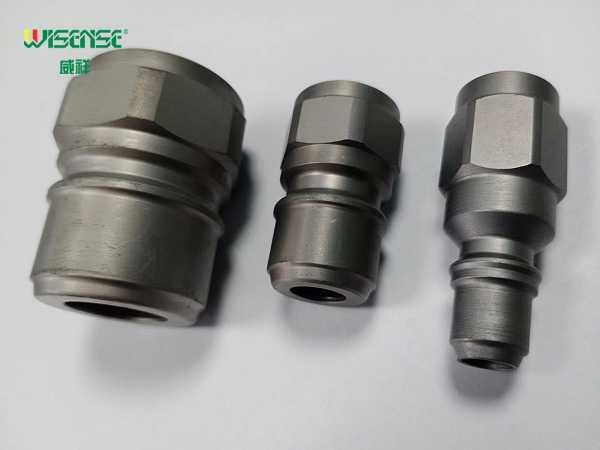
Common components include:
- Machine spacers
- Couplings
- Threaded rods
- Custom bolts and screws
- Adjuster pins
This steel handles high orders for things like food processing, packaging machinery, and assembly equipment where every second counts.
Consumer Products
You’ll find CNC machined 1215 carbon steel in everyday items, especially where durability and clean looks matter but heavy structural strength is not the focus.
Some examples are:
- Lock parts
- Handles and knobs
- Threaded inserts
- Parts for small appliances
The bright surface finish of 1215 carbon steel often means less polishing, so these parts reach customers faster and look great right out of the machine.
Electronics and Hardware
Electronics and hardware manufacturers need metals that slot easily into production. Because of its machinability, 1215 carbon steel gets the job done for:
- Terminal pins
- Standoffs
- Cable connectors
- Fastening hardware
Precision is key for these parts, and the material’s consistent machining quality means fewer rejects and smoother assembly.
Construction and Fastening
Fastener production lines love 1215 carbon steel. Its quick machining and clear threading ability allow for:
- Nuts and bolts
- Studs
- Anchors
- Custom threaded fittings
The fast chip breaking means high-speed machines can churn out bolts and screws without stopping for jams or tool wear.
In short, anywhere repeatability, speed, and smooth finish matter, you’ll find CNC machined 1215 carbon steel parts. With “1215 Carbon Steel Machining,” manufacturers get shorter cycle times, happier clients, and parts that work right out of the box.
Surface Treatment for 1215 Carbon Steel CNC Machined Parts in Fluid Power Systems – By Wisense
At Wisense, we specialize in high-precision 1215 carbon steel machining for fluid power systems, where reliability and corrosion resistance are critical. While 1215 steel offers exceptional machinability and tight-tolerance performance, its low carbon and sulfur content make it susceptible to wear and oxidation in harsh hydraulic and pneumatic environments.
To enhance durability, we recommend surface treatments such as:
- Zinc Plating – For corrosion resistance in moisture-rich conditions.
- Black Oxide Coating – Improves wear resistance while maintaining dimensional accuracy.
- Electroless Nickel Plating – Ideal for high-pressure fluid components needing a smooth, non-porous finish.
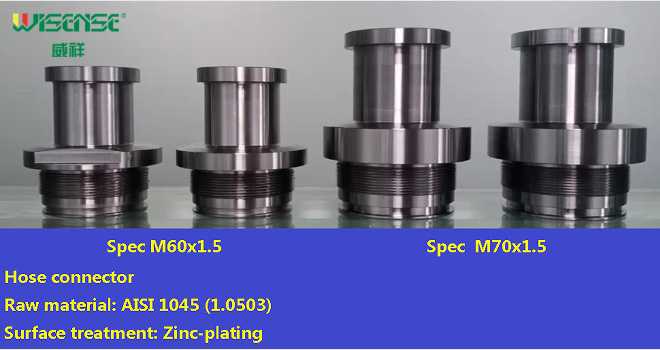
As your trusted 1215 carbon steel machining partner, Wisense ensures your valve bodies, fittings, and hydraulic connectors meet stringent industry standards with optimized surface protection. Let’s engineer solutions that keep your fluid systems running flawlessly.
Contact Wisense today for precision-machined 1215 steel parts built to last.
Best Practices and Techniques for 1215 Carbon Steel Machining
When working with 1215 carbon steel, the right machining strategy pays off in tool life, speed, and finish. Switching up tools and tweaking your speeds even a little can mean the difference between smooth production or worn-out tools and rough surfaces. Let’s break down the best ways to get sharp results and keep your machines running at their best.
Tool Selection and Wear Considerations
Choosing the right tools for 1215 carbon steel machining matters if you want to work fast and with confidence. This steel’s extra sulfur helps with chip control, but smart tool picks make a big impact on quality and efficiency.
- Carbide tools are your workhorse. They resist heat and abrasion, standing up to higher speeds without breaking down. High-speed steel (HSS) can work for short runs or simpler operations, but carbide gives longer life and better finishes when the chips start flying.
- Sharp cutting edges pay off. A fresh, properly ground tool keeps heat low and chips clear. Dull tools build friction, slow production, and burnish the surface instead of cutting cleanly.
- Positive rake angles help chip formation. Choose inserts or tool bits with a positive rake geometry to help chips curl and break. This reduces pressure on the tool and improves surface quality, letting you keep the process stable.
- Coated inserts boost performance. Titanium nitride (TiN) or titanium carbonitride (TiCN) coatings cut down on edge buildup and friction. These coatings shine in high-speed work, where heat and tool wear are concerns.
- Pay attention to tool wear patterns. Even with 1215’s easy machining, look for wear at the cutting edge or crater wear on the rake face. Swap tools before edges round off to keep your parts within spec.
Coolant isn’t optional with fast runs. Use a steady flow of coolant to move chips out of the cut and hold temperatures down. This means less thermal shock for tools, reduced edge chipping, and a brighter surface.
Recommended Cutting Parameters for Efficiency
Dialing in the right speeds and feeds for 1215 carbon steel machining lets shops get the most from each run. There’s a sweet spot for efficient material removal, tool life, and keeping parts within size.
Here’s what works well in practice:
- Cutting speeds: For carbide tools, aim for 120-200 meters per minute (approximately 400-650 surface feet per minute). For HSS, drop down to 40-70 meters per minute (130-230 surface feet per minute).
- Feed rates: Go with 0.1 to 0.4 mm per revolution (about 0.004-0.016 inches per revolution). Bumping up the feed rate within this range works if your setup is rigid and you want maximum output.
- Depth of cut: Stick to 1-3 mm (0.04-0.12 inches) per pass for most turning or milling work. Heavier cuts are possible, but going too deep can strain tools and affect finish.
- Coolant flow: Use water-soluble, flood coolant for most setups. It clears chips away and cools fast. For complex parts or deep holes, consider high-pressure coolant or mist solutions for even better chip evacuation.
To keep tight tolerances and polished finishes:
- Reduce feed rates for the final pass—this tightens up the size and smooths the surface.
- Use a sharp, well-supported tool to avoid deflection.
- Monitor chip color—blue chips signal excess heat. If you see this, lower your speed or boost coolant flow.
For quick reference, here’s a cheat sheet for 1215 carbon steel machining:
| Operation | Tool Type | Speed (SFM) | Feed (IPR) | Coolant |
|---|---|---|---|---|
| Turning | Carbide | 400-650 | 0.004-0.016 | Flood |
| Turning | HSS | 130-230 | 0.004-0.016 | Flood |
| Drilling | Carbide/HSS | 80-120 | 0.002-0.014 | Flood/mist |
| Milling | Carbide | 350-600 | 0.002-0.012/tooth | Flood |
Getting your parameters right means longer tool life, fewer rejects, and a surface that’s ready for action without extra polishing. With 1215 carbon steel machining, these best practices get fast, repeatable results every time.
Wisense’s Expertise in 1215 Carbon Steel Machining Services
When you need precision and speed for your 1215 carbon steel machining projects, as well as other grades carbon steel machining, working with a trusted factory makes all the difference. Wisense has built its reputation by delivering quality machined parts—quickly and at scale. With years under our belt and a process built for consistency, Wisense stands out to anyone tired of delays and guesswork in their supply chain.
Tailored Approach to 1215 Carbon Steel Machining
Wisense knows every job has its own demands. Our team work with customers to understand exact needs—size, tolerance, run volume, and finish. By starting with a clear plan, we cut down on wasted time and keep surprises to a minimum.
- Material knowledge: The machinists at Wisense understand how 1215 carbon steel behaves at each step. They use its properties to get cleaner cuts and repeatable results.
- Project planning: Before machining starts, engineers review customer specs, test setups when needed, and lock in the right tools and settings. This means seamless transitions from prototype to production.
- Clear communication: Wisense keeps customers in the loop from start to finish. You know where your order stands, every time.
Advanced Technology and Equipment
To get bright finishes and precise parts, Wisense invested in modern machining centers aimed at working with 1215 carbon steel. The right tech in skilled hands means tighter tolerances and better efficiency.
- CNC machines: Multi-axis CNC lathes and mills(Star Swiss type lathes) give Wisense the ability to handle complex geometries and high-volume runs. CNC equipment means each part matches the last.
- Tool selection: Wisense stocks a variety of carbide and coated tool types. The team matches each tool to the steel and job for longer life and crisp surface finishes.
- Automated systems: The bar feeders(both on CNC lathes and Swiss type lathes) help speed up production and keep lines moving without pause on repeat jobs.

By embracing new machines and processes, Wisense delivers consistent results for every order, from one-offs to thousands of units.
Quality Control at Every Step
Quality matters, whether it’s the first piece or the hundredth. Wisense builds multiple checkpoints into its process to catch issues early and keep every part in spec.
- First-article inspection: New jobs start with a full check against customer drawings before regular runs begin.
- In-process measurements: Skilled operators use micrometers, calipers, and CMMs (coordinate measuring machines) to measure every key feature. They track trends and flag any drift from target dimensions.
- Final inspection: Parts pass through a last check for dimensions, surface finish, and thread quality before shipping.
Every machined part from Wisense comes with confidence—no second-guessing, no missing paperwork, and full traceability.
Reliable, Scalable, and Ready for High Demand
Fast-moving businesses need partners who can keep up. Wisense knows the pressures of tight deadlines and changing order sizes.
- Quick turnarounds: The shop’s streamlined workflow means most 1215 carbon steel machining jobs ship on time or ahead of schedule.
- Flexible batch sizes: From prototypes to large runs, Wisense can ramp volume up or down without sacrificing quality.
- Cost savings: Efficient workflows, minimal tool changes, and precise machining keep prices competitive—helping you control project costs.
Working with Wisense means you get the quality of a big shop with the personalized service of a partner who treats your project like our own.
Value for 1215 Carbon Steel Machining Projects
Choosing Wisense for 1215 carbon steel machining service gives you a blend of technical ability and real-world know-how. The shop’s investment in new tech, standardized processes, and skilled talent leads to:
- Shorter lead times and reliable schedules
- Consistent, repeatable part quality
- Support for design tweaks and part changes mid-project
- Honest advice about materials, finishes, and design-for-manufacturing
Businesses that need fast, consistent results for 1215 carbon steel machining trust Wisense to deliver. When time, quality, and clarity matter, this shop brings all three.
Conclusion
Choosing 1215 carbon steel for machining means faster cycle times, smooth finishes, and reliable, repeatable parts. Shops appreciate how easy it is on tools and how it delivers tight tolerances without headaches. If your project calls for high-volume output and quick turnaround, 1215 carbon steel machining stands out as a smart, practical choice.
For those who don’t want to gamble with quality or speed, Wisense offers a proven path to great results. Their process keeps projects clear and simple from start to finish. Thanks for reading—if you’re ready to get started or have questions, reach out to Wisense and see how 1215 carbon steel machining can make your next job easier.
Your experiences matter—share your feedback or ask about upcoming projects in the comments.
