
Think about how metal turns to liquid when heated. That’s the melting point. For titanium, this is a big deal. Titanium melts at one of the highest temperatures of any metal used today.
A high melting point makes titanium a top pick for tough jobs. Engineers count on it when they need materials that can handle intense heat, like in airplanes, spacecraft, or medical implants. Knowing this number helps scientists and manufacturers push the limits of what’s possible in design and safety.

Understanding Titanium as a Metal
Before you dive deeper into why titanium’s melting point is so important, it helps to get a grip on what makes this metal stand out. Its combination of unique properties and everyday uses set titanium apart from many metals you’ve heard about before. Let’s break down what gives titanium its edge, both on a chemical level and out in the real world.
Physical and Chemical Properties of Titanium
Titanium looks like a regular silver-gray metal, but it’s anything but ordinary. It’s lighter than steel and much stronger for its weight, which means you can use less of it and still get the job done. Titanium is often described as having a “high strength-to-weight ratio,” and this trait is key for industries where every ounce counts.
At the atomic level, titanium has an atomic number of 22. Its atoms line up in a tight, stable structure, which helps explain its high melting point. This structure means the atoms don’t start to move around or break free from each other until they’re heated to extreme temperatures.
Some core properties to know about titanium:
- Color and appearance: Silvery-grey with a smooth finish.
- Density: About 4.5 g/cm³ — lighter than steel, heavier than aluminum.
- Corrosion resistance: Titanium resists rust and most chemicals, even saltwater, making it great for tough environments.
- Strength: It holds up well under pressure and doesn’t give out easily, even when thin.
- Atomic structure: Titanium’s packed hexagonal crystal system keeps its atoms closely knit at room temperature.
When it comes to chemistry, titanium is tough to break down. It doesn’t react with air or water easily, and it shrugs off acids that eat away at other metals. This means titanium can survive in places other metals can’t.
Industrial Uses and Popularity of Titanium
Titanium isn’t just for show — it’s working behind the scenes in lots of industries you might not expect. Its high melting point opens the door to jobs where heat breaks most other metals.

Here are some of the most common uses for titanium:
- Aerospace: From jet engines to spacecraft frames, titanium’s strength-to-weight ratio and heat resistance make it a go-to material.
- Medical devices: Surgeons use titanium for bone plates, joint replacements, and dental implants because it won’t rust or harm the body.
- Sports equipment: Think of lighter, stronger golf clubs, bike frames, and tennis rackets.
- Automotive parts: High-performance cars use titanium for everything from exhausts to valves.
- Chemical plants: Piping and tanks made of titanium hold up against harsh acids and high temperatures.
- Marine applications: Boats and submarines use titanium because it resists corrosion by seawater.
Titanium’s popularity is tied directly to its unique set of benefits. It keeps its cool under pressure, doesn’t rust, and remains light yet strong. That’s why you’ll find it everywhere from hospitals to deep-sea submersibles, always playing a key role where reliability matters.
What is the Melting Point of Titanium?
When people talk about titanium’s strength and toughness, they often point to its ability to keep its shape under extreme heat. The temperature at which titanium changes from solid to liquid isn’t just a number — it’s the line that separates what the metal can handle from what it can’t. Let’s look closer at the exact temperature, and what can nudge that number up or down.
Exact Melting Point of Pure Titanium
Pure titanium melts at 1,668°C (or 3,034°F). This is one of the highest melting points among common metals. On most official charts and in science labs, you’ll see this number, give or take one degree or so, depending on measurement methods. That is hot enough to glow white and melt steel long before titanium even starts to soften.
The high melting point is what gives titanium its reputation as a superhero metal. In industries like aerospace and medical tech, knowing this number is non-negotiable. Engineers count on that steady melting point when designing anything that needs to stay solid under stress.
Factors Affecting Titanium’s Melting Point
Titanium’s melting point can shift slightly depending on a few key factors:
- Alloys and Mix-Ins: Most real-world applications use titanium mixed with other elements like aluminum, vanadium, or iron. These blends, called alloys, change how the metal behaves. Some titanium alloys melt at slightly lower or higher temperatures than pure titanium. For example:
- Ti-6Al-4V Alloy: Often used in jet engines, starts melting around 1,600°C (2,912°F).
- Commercially Pure Grades: Stay very close to the 1,668°C mark.
- Impurities: Even tiny amounts of oxygen, nitrogen, or carbon in titanium can affect its melting point. Sometimes, extra oxygen makes titanium a bit more brittle and canlower the melting point by a few degrees.
- Pressure: If titanium sits under intense pressure, its melting point can change. High pressure, like you’d find deep within the Earth, can push the melting point slightly higher.
- Atmosphere: Processing titanium in different environments matters. If the metal is exposed to air or certain gases during heating, it can form surface layers or react, sometimes altering the melting behavior right at the surface.
- Cooling and Heating Rates: How quickly titanium is heated or cooled doesn’t exactly change the true melting point, but it can affect the way the metal flows or forms crystals as it approaches that critical temperature.
Understanding these factors helps manufacturers and scientists decide which titanium grade or alloy to choose for each job. Pure titanium’s melting point rarely shifts by more than a handful of degrees, but with alloys and unique environments, it’s important to check the specs before pushing the metal to its limit.
Scientific Importance of Titanium’s High Melting Point
Titanium’s high melting point isn’t just a fun fact for trivia night. It’s the reason this metal shows up in extreme environments where most others fail. In science and engineering, the ability to stay stable at high temperatures separates good materials from great ones. Let’s take a look at how this unique feature shapes titanium’s role in technology and research.
Advantages in High-Temperature Applications
A high melting point gives titanium a major advantage wherever monster heat is part of the job. When metal parts get hot, they can warp or even melt if they aren’t up to the task. Titanium stands strong long after other metals have started to give out.
Here’s where this comes into play:
- Jet engines: Inside a jet engine, temperatures soar. By using titanium in key parts, engineers build engines that last longer and run safer. Titanium’s ability to hold its shape, even when red-hot, means less risk of sudden failure.
- Spacecraft: Rocket science is tough on materials. Spacecraft and launch vehicles need metals that won’t turn mushy during takeoff or reentry. Titanium’s high melting point lets spacecraft designers reach new heights—literally.
- Medical implants: In surgical tools and implants, sterilizing equipment means exposure to high-heat autoclaves. Titanium doesn’t break down, crack, or lose strength after repeat heating and cooling.
- Industrial manufacturing: Processes like glass making, smelting, and chemical production hit mind-boggling temperatures. Titanium parts keep working when other metals would buckle.
Materials that don’t melt or deform at high temperatures are not just more dependable—they’re lifesavers. In industries where human lives hang in the balance, using titanium means taking fewer chances.
Impact on Alloy Development and Engineering
Titanium’s melting point also shapes how scientists build stronger, more effective alloys. Alloying is the process of blending metals to boost properties like strength, heat resistance, or corrosion protection. Titanium shines here because its high melting point lets engineers create custom blends for some of the world’s toughest jobs.
- Advanced alloys: Researchers mix titanium with aluminum, vanadium, and other elements to make alloys that outperform pure metals. A higher melting point gives room for these new blends to handle even more heat.
- Precision manufacturing: High-temperature stability means titanium alloys are less likely to develop defects when cast or welded. This helps make medical implants and aerospace components safer and more reliable.
- Automotive and power generation: High-performance cars and turbines push engine parts to their limits. Titanium alloys handle the stress and heat, keeping things running smoothly.
Building with titanium also lets engineers design lighter, thinner parts without giving up heat resistance. That’s why you see titanium alloys in everything from fast jets to power station turbines and high-end racing bikes.
In short, titanium’s high melting point opens doors. It gives engineers the freedom to push boundaries, tinker with new ideas, and meet demands that would leave other metals in the dust.
Comparison: Titanium vs Other Common Metals
When you dig into what makes titanium special, its melting point stands out. But what happens when you stack titanium against the metals you see every day in factories, cars, and homes? Here’s how titanium lines up compared to familiar choices like steel and aluminum—and some of the heavy-hitting specialty metals used in high-heat, high-stress environments.
Titanium vs Steel and Aluminum
Steel and aluminum are everywhere. They’re the backbone of bridges, cars, cans, and tools. But if you compare their ability to take the heat, titanium comes out on top every time.
- Titanium: Melts at 1,668°C (3,034°F)
- Steel: Melting point depends on the mix, but most steels range from 1,370°C to 1,510°C (2,500°F to 2,750°F)
- Aluminum: Melts much sooner, at just 660°C (1,221°F)
Here’s what this means in practice:
- Aluminum softens and loses strength at temperatures where titanium doesn’t even break a sweat. That’s why you rarely see aluminum in jet engines or rocket parts—it just can’t take the heat.
- Steel handles more heat than aluminum, but it still starts to soften and deform well before titanium gets close to melting. That gives titanium a clear edge for jobs where temperature spikes are common, like inside a jet turbine.
To make it easier to compare, see this quick chart:
| Metal | Melting Point (°C) | Melting Point (°F) |
|---|---|---|
| Titanium | 1,668 | 3,034 |
| Steel | 1,370-1,510 | 2,500-2,750 |
| Aluminum | 660 | 1,221 |
Key Takeaways:
- Titanium stays solid long after aluminum and most steel have begun to fail.
- Industries pick titanium when failure is not an option—think turbines, medical implants, and spacecraft.
Titanium vs Specialty Metals (Tungsten, Nickel, etc.)
If you turn to metals built for the world’s most extreme conditions, the melting point story shifts. Here’s how titanium compares to the so-called “super-metals”:
Tungsten is the undisputed champ. Its melting point towers over pretty much everything:
- Tungsten: Melts at 3,422°C (6,192°F)—the highest of all pure metals.
- Titanium: 1,668°C (3,034°F), which is still impressive but only about half of tungsten’s.
- Nickel: 1,455°C (2,651°F)
- Molybdenum: 2,623°C (4,753°F)
- Cobalt: 1,495°C (2,723°F)
Here’s what the numbers tell us:
- Tungsten beats titanium for withstanding the most searing heat. You’ll find tungsten where nothing else survives, like the tips of rockets or in heavy-duty electrical contacts.
- Nickel and molybdenum alloys are also used when heat is a big problem, but pure titanium still gives these metals stiff competition in many cases—plus it’s lighter and more corrosion resistant.
- Cobalt alloys make tough, wear-resistant tools, but don’t match titanium’s heat stability for aerospace or deep-space applications.
To sum things up, here’s a look at where these metals land on the heat-resistance scale:
| Metal | Melting Point (°C) | Melting Point (°F) |
|---|---|---|
| Tungsten | 3,422 | 6,192 |
| Molybdenum | 2,623 | 4,753 |
| Titanium | 1,668 | 3,034 |
| Nickel | 1,455 | 2,651 |
| Cobalt | 1,495 | 2,723 |
Key Points:
- Tungsten wins the heat contest, but it’s heavy and hard to work with.
- Titanium earns its spot for high strength, low weight, and serious heat tolerance.
- Nickel, molybdenum, and cobalt are contenders, but titanium strikes the right balance for many top-level jobs.
When you need a metal that survives heat, stays strong, and resists rust, titanium offers a blend that’s hard to beat.
Challenges and Advances in Melting and Processing Titanium
Titanium’s high melting point isn’t just an interesting fact—it shapes how people make and use this tough metal. While its ability to withstand heat sets titanium apart, it also makes handling, melting, and shaping it much more difficult than with most other metals. Over time, manufacturers have come up with new ways to tame titanium and make it easier to work with in everything from jets to medical devices.

Difficulties in Melting and Fabricating Titanium
Melting titanium is not as simple as firing up a furnace. This metal brings unique headaches to the shop floor. Here are some key problems that come up:
- High reactivity: When you heat titanium past 1,668°C, it reacts fast with oxygen, nitrogen, hydrogen, and carbon. Even tiny amounts turn titanium brittle or ruin its strength. That’s why it can’t just be melted in air like iron or steel.
- Contamination risks: If any unwanted elements sneak in during melting, you end up with a weaker product. Impurities can form unwanted compounds, trap gases, or cause the titanium to crack. Keeping things clean is hard—and expensive.
- Expensive equipment: Titanium can’t touch standard containers or tools at its melting point, as it reacts with most of them. Melting setups must use special materials like water-cooled copper or high-purity ceramic crucibles.
- Energy costs: It takes a lot more heat (and money) to melt titanium than aluminum or steel. You can’t cut corners or use basic gear.
- Difficult shaping: As titanium cools from its melted state, it doesn’t flow as easily as other metals. Shaping and casting it is tricky, and warping can happen if temperatures aren’t controlled.
These hurdles mean that every step, from raw ore to finished product, needs tight controls and keen attention. Mistakes are costly.
Modern Solutions and Innovations in Titanium Processing
Even with all these challenges, the past few decades brought a wave of new ideas and tools that make working with titanium much more practical.
Here are some of the main breakthroughs:
- Vacuum arc remelting (VAR): This specialized method melts titanium in a chamber with no air, using a massive electric arc. This stops the metal from reacting with air and keeps it pure.
- Electron beam melting (EBM): A focused beam of electrons melts the titanium inside a vacuum. EBM offers high precision and helps with 3D-printing titanium parts—something that would have been hard to imagine not long ago.
- Plasma arc melting: A plasma torch creates enough heat to melt titanium in a protected setting, once again avoiding unwanted reactions from the air. This leads to cleaner, more reliable end products.
- Additive manufacturing (3D printing): Newer processes let companies build titanium items layer by layer, which cuts down on waste and allows for more detailed designs.
- Improved alloying and refining: Better control over alloys means stronger, lighter, and more heat-proof titanium parts. Manufacturers now can fine-tune blends for special uses, from hip implants to rocket parts.
- Recycling and closed-loop systems: Innovative methods for recycling titanium scrap are starting to lower costs and reduce waste, making the metal more accessible.
With every improvement, titanium is becoming less expensive and more available. Today’s airplanes, cars, and even smartphones benefit directly from these breakthroughs. Titanium is no longer a rare metal just for the military or astronauts—you can find it in tools, bikes, and even golf clubs thanks to smarter ways of melting and shaping it. The path from titanium ore to finished product is still tough, but technology keeps making it smoother and more affordable.
Applications of Titanium in CNC Machining
Titanium’s high melting point and unique mix of strength, lightness, and corrosion resistance make it a top choice for CNC machining. Precision shops turn to titanium when they need parts that can take serious stress, heat, or a harsh environment. Understanding why titanium works so well in these machines—and where it ends up—can help you appreciate why this metal keeps showing up in high-stakes jobs.
Aerospace and Defense Components
Titanium is the gold standard for aerospace parts cut by CNC machines. Weight is always a concern when designing aircraft and rockets. Titanium’s strength-to-weight ratio means engineers can shave off pounds without losing durability or performance.
Some common aerospace applications for CNC-machined titanium:
- Turbine blades and engine mounts
- Landing gear parts
- Fasteners and brackets
- Aircraft structural frames
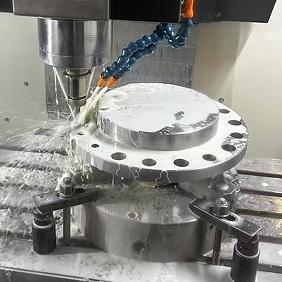
Titanium holds up to the hot, high-pressure conditions found inside jet engines. Its corrosion resistance protects parts from fuel, oil, and moisture—basic requirements in this sector.
Medical and Dental Devices
CNC machining makes it possible to create custom titanium implants and surgical tools that fit individual patients. Titanium’s biocompatibility means it won’t react with bone or tissue.
Key uses for CNC-machined titanium in medicine include:
- Artificial joints—like hips and knees
- Dental implants and abutments
- Bone plates and screws
- Surgical instruments
Doctors trust these parts because titanium stays stable during countless sterilization cycles. There’s no risk of rusting or contaminating the body, which isn’t true for many other metals.
Automotive and Motorsport Parts
In high-performance and racing vehicles, every ounce counts. CNC machining lets manufacturers carve out complex, lightweight titanium components that withstand high speeds and pressures.
The most common titanium CNC parts in this industry include:
- Suspension springs and connecting rods
- Exhaust and intake valves
- Fasteners and bolts for critical connections
- Performance custom parts for race cars and motorcycles

- 247 CNC machines
- 0.005-0.02mm precision
Titanium’s heat resistance helps race teams push engines harder without melting or warping components. Lighter pieces translate directly to faster acceleration and better handling.
Industrial and Chemical Processing Equipment
Titanium’s ability to shrug off acids and saltwater makes it popular in industrial plants. CNC machining allows for custom components that fit unique processes or systems.
Frequent uses include:
- Pumps, valves, and seals for chemical processing
- Heat exchangers and reactor vessels
- Desalination and water treatment hardware
These parts aren’t just tough—they last for years, even in settings that destroy ordinary steel. CNC shops can produce large, complex shapes with high accuracy, keeping factories running smoothly.

Precision Instruments and Consumer Products
Beyond heavy industry, titanium shows up in everyday products made with CNC machines. Small brands and major manufacturers use it for its blend of looks, lightweight feel, and ruggedness.
A few examples:
- High-end watches and eyeglass frames
- Smartphone cases and hardware
- Premium bicycle frames and parts
- Outdoor gear like knives, tools, and camping equipment
Titanium doesn’t stain, corrode, or lose its luster over time. That makes it popular for products that combine form and function—especially when people demand the best.
Why CNC Machining and Titanium Pair So Well
CNC machines rely on computer controls for detail and repeatability. Titanium, while tough on cutting tools, rewards machinists with parts that stay strong and accurate. The metal’s high melting point means it won’t warp or distort even if the CNC process heats things up.
Manufacturers choose titanium in CNC shops mainly for:
- Heat and corrosion resistance
- Outstanding strength with less weight
- Long-lasting, reliable performance
- Ability to make thin or complex shapes that would break with softer metals
Of course, working with titanium takes skill and the right equipment. Cutting speeds are slower, and tools must be harder and sharper. But the payoff—a finished product that outperforms in the real world—drives engineers and designers to keep pushing what’s possible in CNC machining.
Titanium keeps proving itself where it counts, showing that with the right machine and the right approach, you can shape a metal that’s nearly as tough as the job itself.
Conclusion
Titanium’s sky-high melting point sets it apart in a world full of metals. It keeps its shape and strength when the heat is on, making it hard to replace in fields like aerospace, medicine, and advanced manufacturing. This single trait opens doors for bold designs and safer, longer-lasting parts where failure isn’t an option.
As new ways to melt, process, and recycle titanium keep coming out, we’re seeing the metal break free from old limits. Lighter airplanes, stronger surgeries, cleaner factories—titanium’s impact is everywhere. Thanks for following along. If you have your own story or use for titanium, share it below and join the discussion about where this metal takes us next.
